Dujiangyan is one of those attractions that sounds dry on paper and turns out to be fascinating in person. The irrigation system was built around 256 BC and still controls the Min River, protecting the Chengdu plain from floods and supplying its farmland. You walk across suspension bridges, along river channels, and up to temple viewpoints. It is about an hour from Chengdu by high-speed rail and pairs easily with Qingcheng Mountain.
What you are seeing
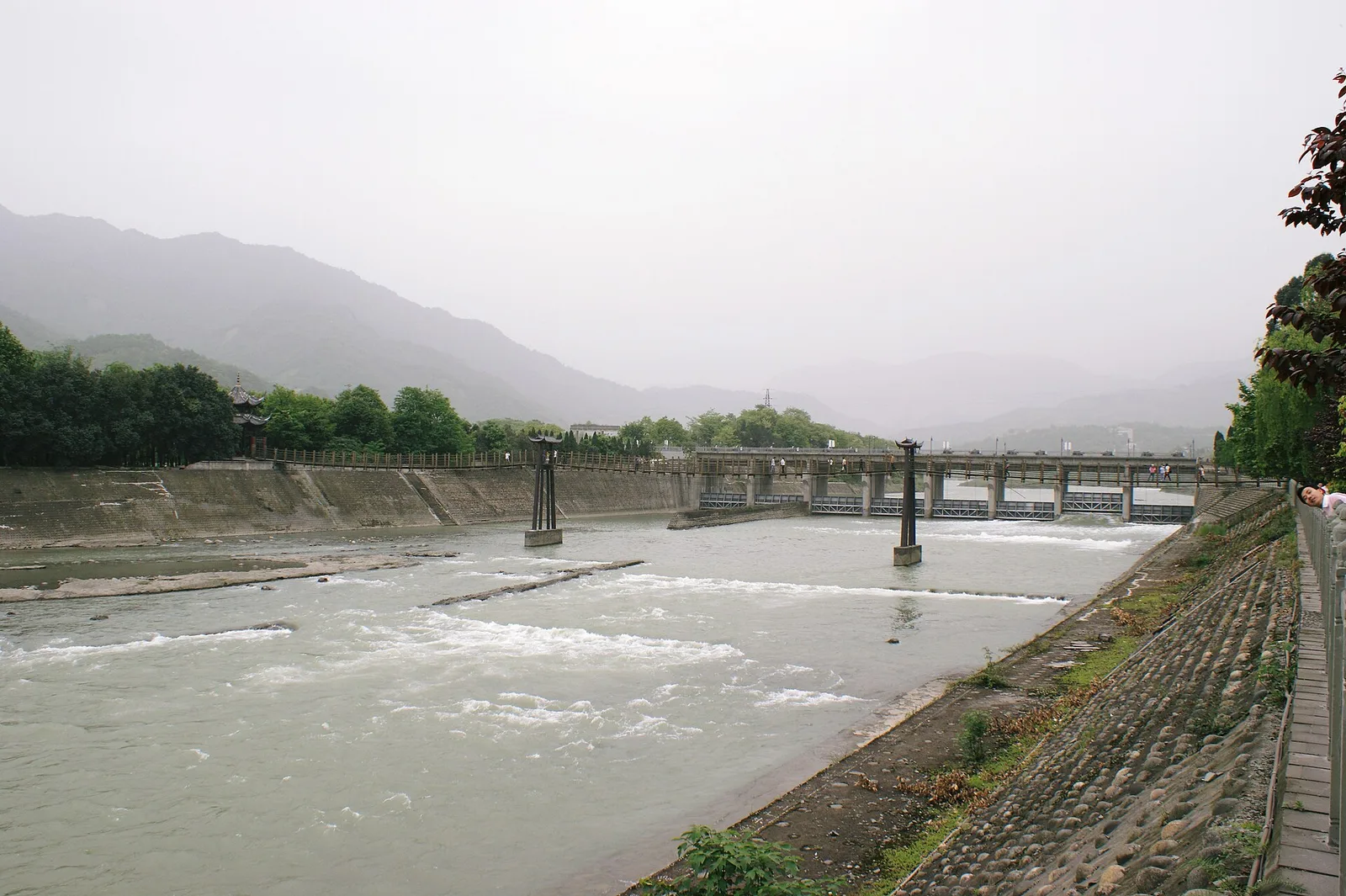
The system divides the Min River into inner and outer channels, using a artificial levee, a diversion gate, and a spillway to manage water without a dam. The engineering is subtle: you are looking at channels, embankments, and flow patterns rather than a single monument. A guide or audio tour helps explain what you are seeing.
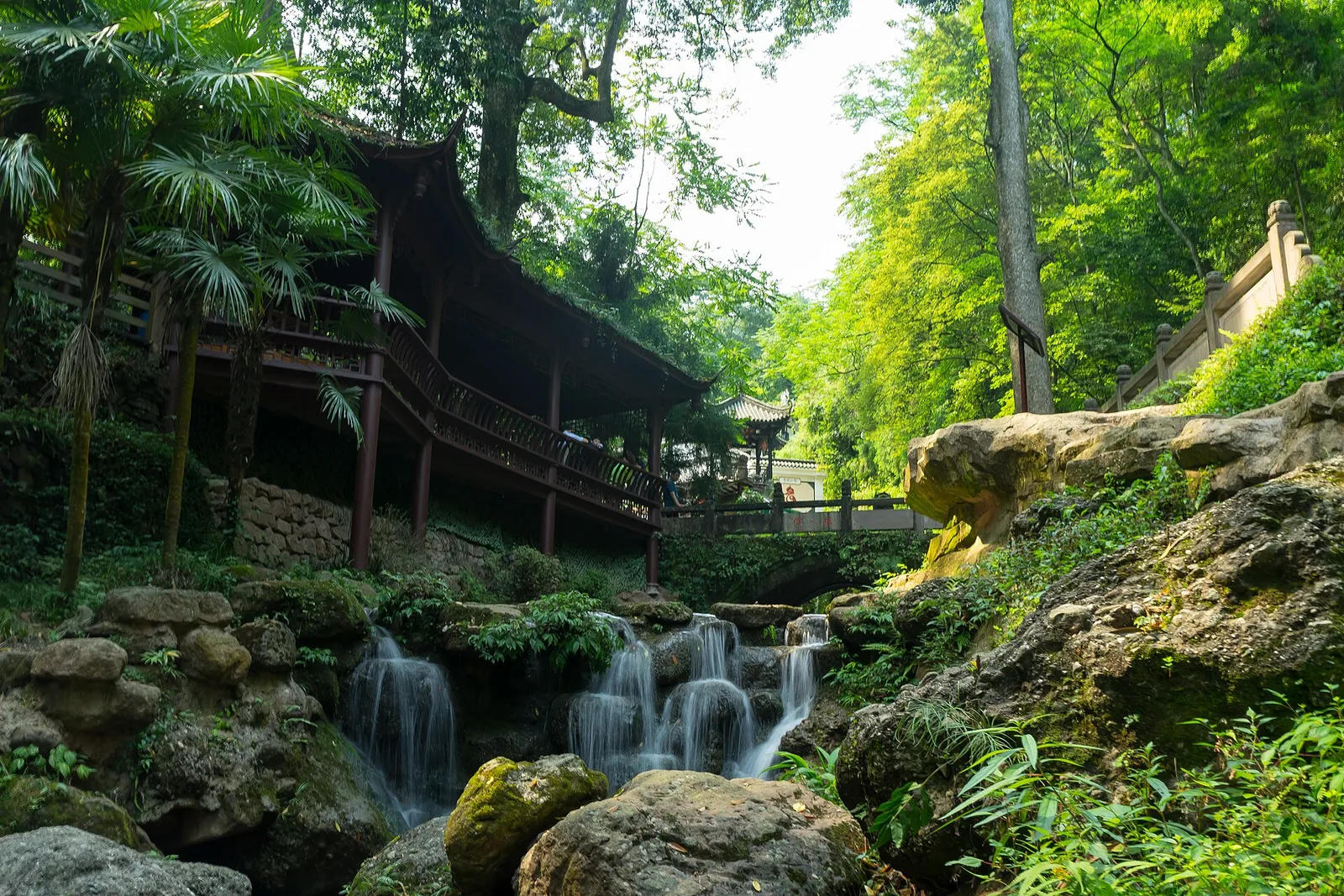
The main sights are the Fish Mouth Levee, the Flying Sand Weir, and the Anlan Suspension Bridge. The bridge is the most photogenic stop, but it sways and is crowded. Temple buildings and gardens add context and shade.
- Fish Mouth Levee
- Flying Sand Weir
- Anlan Suspension Bridge
- Erwang Temple and riverside paths
Getting there and timing
High-speed trains from Chengdu to Lidui Park Station take about an hour; the station is close to the scenic area. Alternatively, take a train to Dujiangyan Station and a short taxi. The site is walkable but spread out; allow 3–4 hours.
The entrance ticket is around CNY 80. Opening hours vary by season. Go early to avoid tour groups, especially on weekends. The paths are mostly flat, but the suspension bridge and some stairs may be difficult for visitors with limited mobility.
Combining with Qingcheng Mountain
Dujiangyan and Qingcheng Mountain are close enough to combine, but doing both in one day is tiring. A common plan is Dujiangyan in the morning and the front mountain in the afternoon, using the cable car. If you want a slower day, choose one.
The old town around Dujiangyan has snacks and restaurants; it is touristy but convenient for lunch. Bring cash or a working payment app, and check the return train schedule before you start.
- Half-day for Dujiangyan alone
- Full day if combining with Qingcheng
- Check return train times
Walking route and what to skip
The site is linear and easy to follow: enter near Lidui Park, walk through the gardens to Baopingkou, cross to the Fish Mouth Levee, then take the Anlan Suspension Bridge to Erwang Temple and exit on the town side. Doing it in that order keeps the crowds behind you. A sightseeing tram connects the far ends for a small fee, but the walk between the main sights is the point; allow 3–4 hours and do not rush the river sections.
What you can skip: the commercial souvenir street at the entrance, the photo stalls on the bridge, and any guide who approaches you outside the gate with a fixed-price tour. An official audio guide or a short history read before you arrive is more useful than a rushed narration. The old town on the other side of the river is convenient for lunch but touristy; walk one street back for better prices. Summer weekends are the busiest, and the bridge sways more when the queue is dense.
- Enter at Lidui Park and exit via Erwang Temple
- Skip the entrance souvenir street
- Walk one street back in the old town for lunch
Best for
- Travelers interested in history and engineering
- Visitors who want a flatter alternative to Qingcheng
Honest notes
- The engineering is subtle without context.
- The suspension bridge is crowded and sways.
- Combining with Qingcheng makes a long, tiring day.
Not for
- Travelers seeking dramatic mountain scenery
- Anyone with limited time and no interest in infrastructure
Keep planning