Chengdu is a manageable first stop in China for American travelers, but it rewards preparation. The city is large, English is limited outside hotels, and mobile payments are the default. This guide covers the practical differences American visitors notice most: entry paperwork, flight routing, card and app setup, restaurant expectations, and how to build a trip that feels comfortable without turning it into a generic tour.
Entry, flights and paperwork
US passport holders should check the latest Chinese embassy or visa application center guidance before booking. China has a 240-hour visa-free transit policy for eligible travelers moving through designated ports to a third country, but it has specific conditions and is not the same as visa-free entry for tourism. Do not assume you can enter without a visa; verify your eligibility and carry the required onward ticket and hotel details.
Nonstop flights between the US and Chengdu are limited and change with airline schedules. Most itineraries connect through Beijing, Shanghai, Hong Kong, Seoul, Tokyo, or the Gulf. Build in a generous connection, especially if you are arriving on a separate ticket. Keep a printed or offline copy of your hotel address in Chinese for immigration and taxi drivers.
- Verify visa or transit eligibility with official sources
- Carry onward tickets and hotel confirmation
- Most routes connect through a major Asian hub
Money, tipping and daily costs
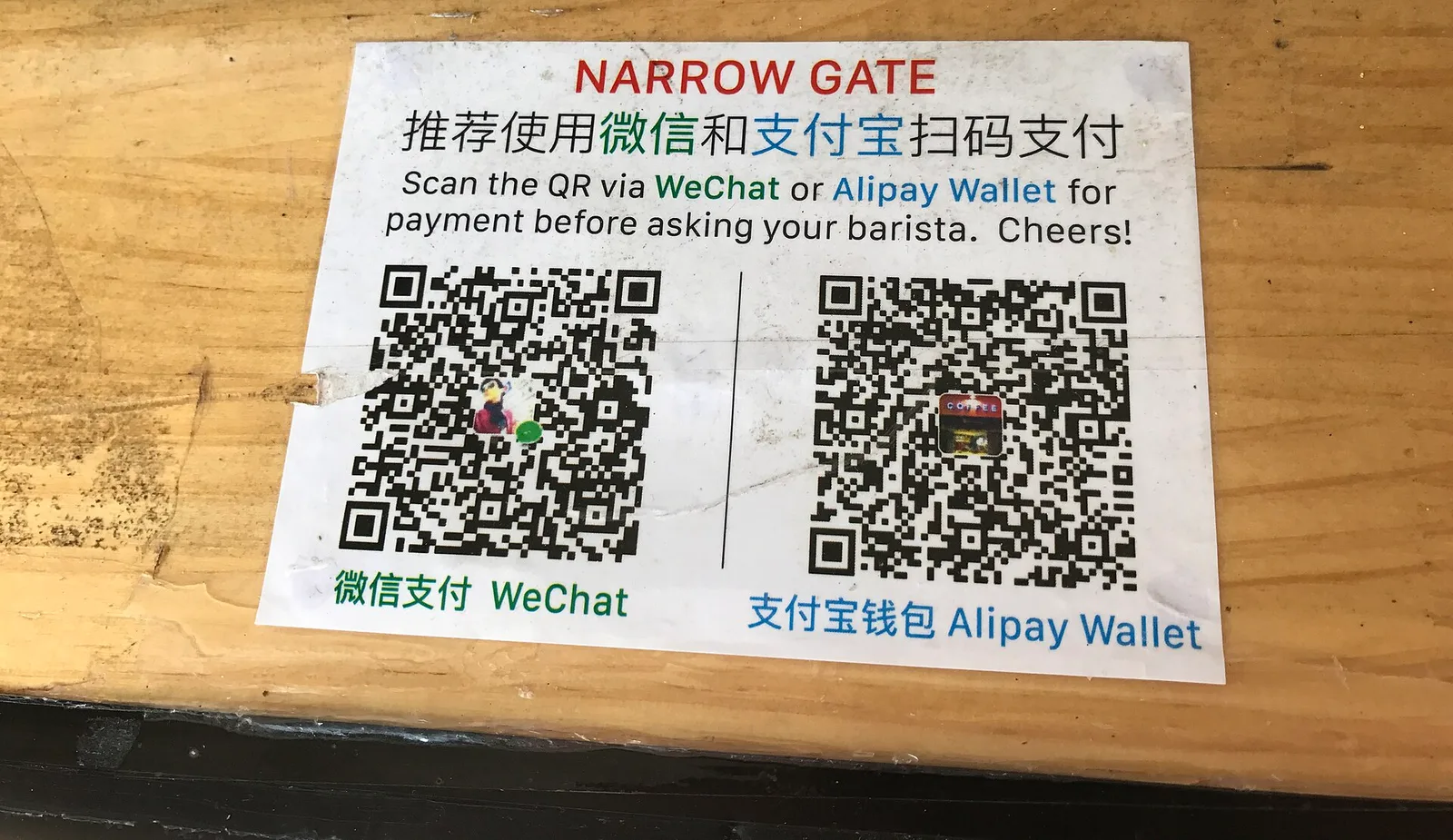
Alipay and WeChat Pay are the default payment methods. Link a Visa or Mastercard before you fly, complete passport verification, and test a small purchase on arrival. Tipping is not expected in restaurants, taxis, or hotels; service charges are usually included. Leaving a few yuan is not offensive, but it is not necessary.
Daily costs are lower than in major US cities. A local meal costs CNY 30–80 per person, a mid-range hotel CNY 400–900, and a metro ride under CNY 10. Imported goods, luxury hotels, and tourist-area restaurants cost more. Carry a small amount of cash as a backup and tell your bank you are traveling.
- Set up Alipay or WeChat Pay before departure
- Do not tip; service is usually included
- Budget CNY 500–1,000 per day excluding flights
Food, comfort and cultural adjustments
Sichuan food is spicy and numbing, but you do not have to eat every dish at full heat. Ask for 'wēi là' (mild) or choose the mild side of a hotpot. Restaurants with picture menus and English signage are common in Taikoo Li and Chunxi Road. If you want a break from Chinese food, international hotels and upscale malls have Western options.
Smoking is common in some local restaurants, and bathrooms vary in quality. Carry tissue and hand sanitizer. English is limited outside tourist areas, so a translation app and Chinese addresses are essential. The pace is slower than a US city break; build in rest time and do not over-schedule.
- Ask for mild spice; hotpot has a mild side
- Carry tissue and hand sanitizer
- Use a translation app and Chinese addresses
Related questions