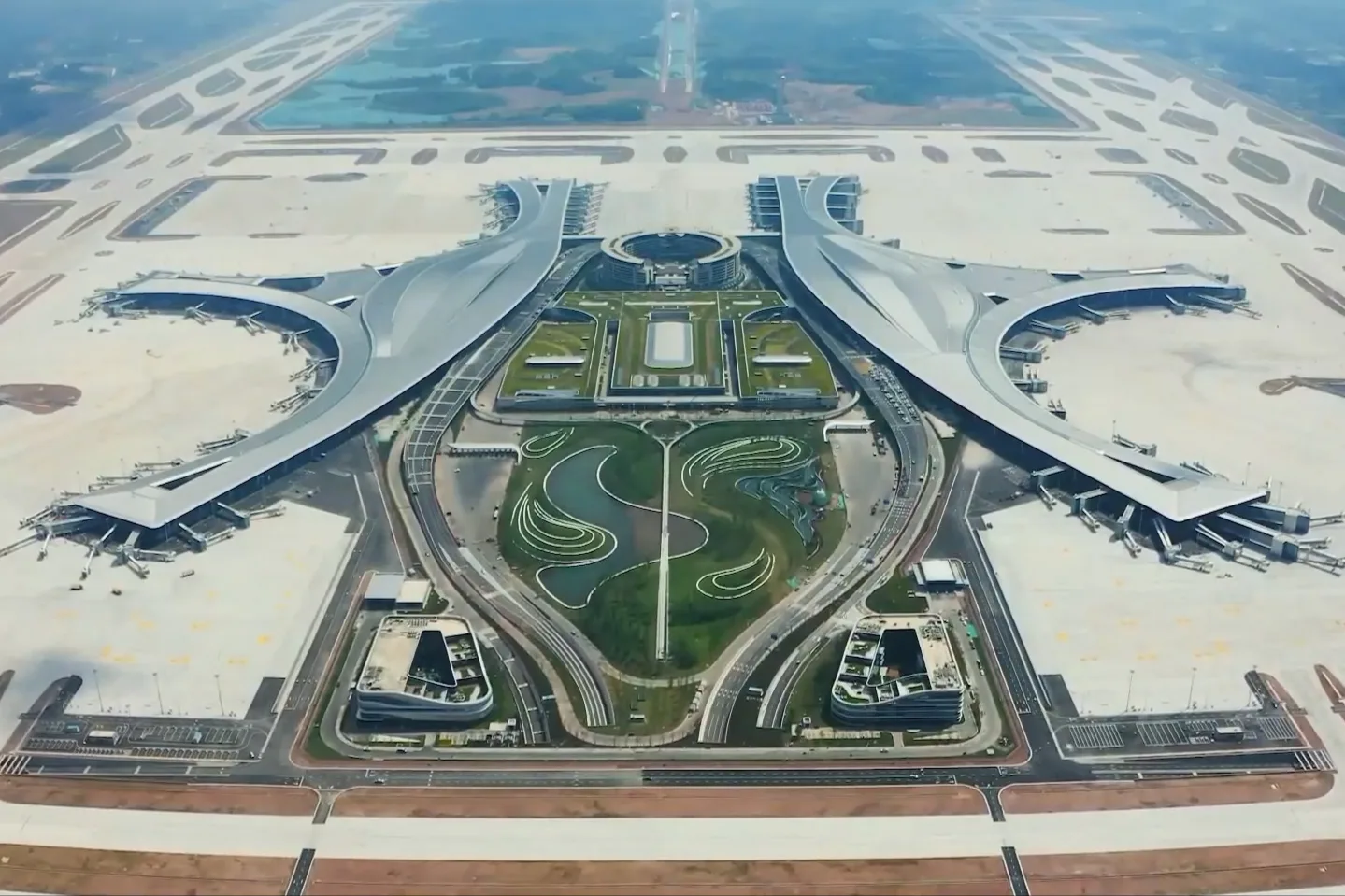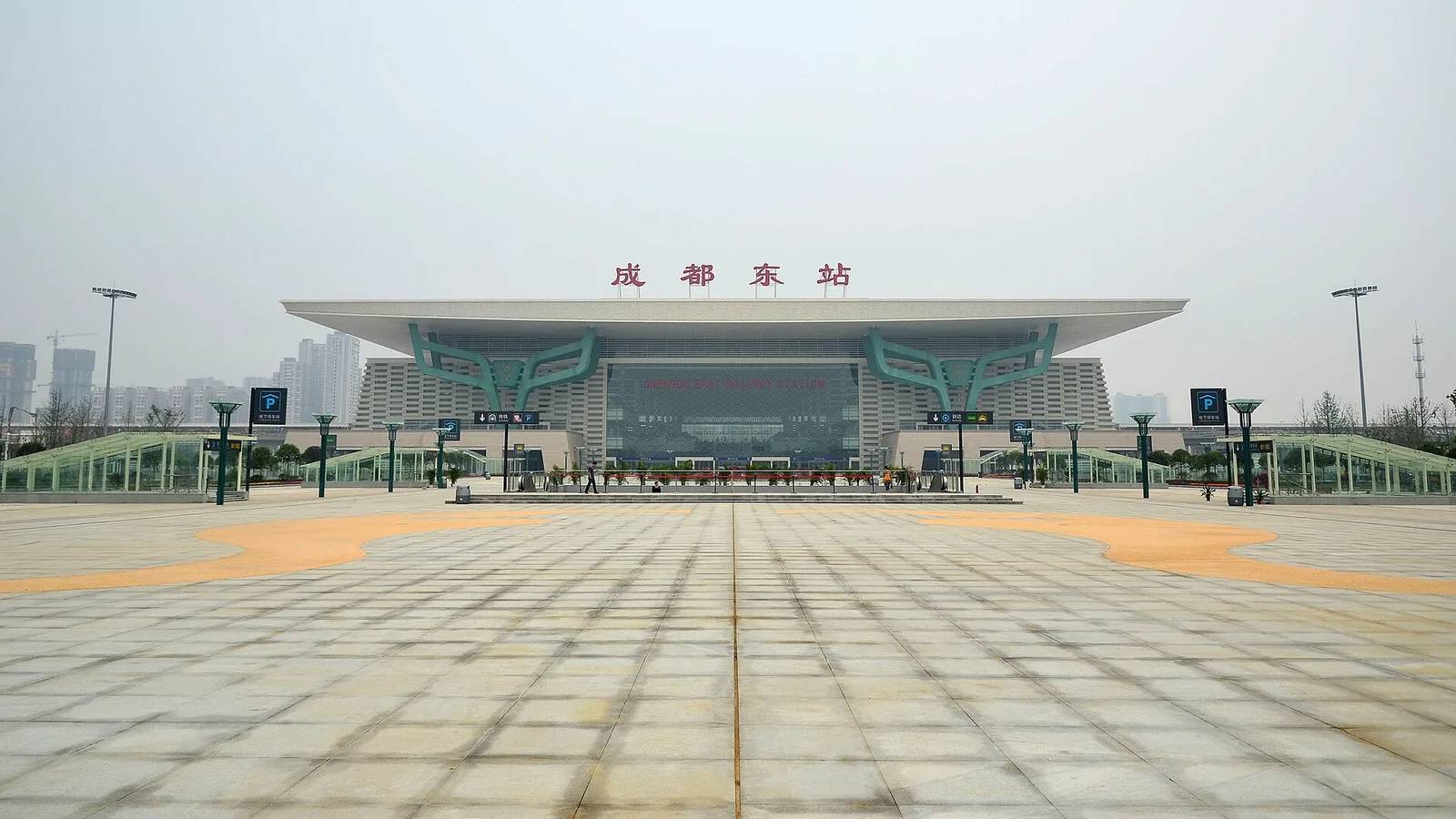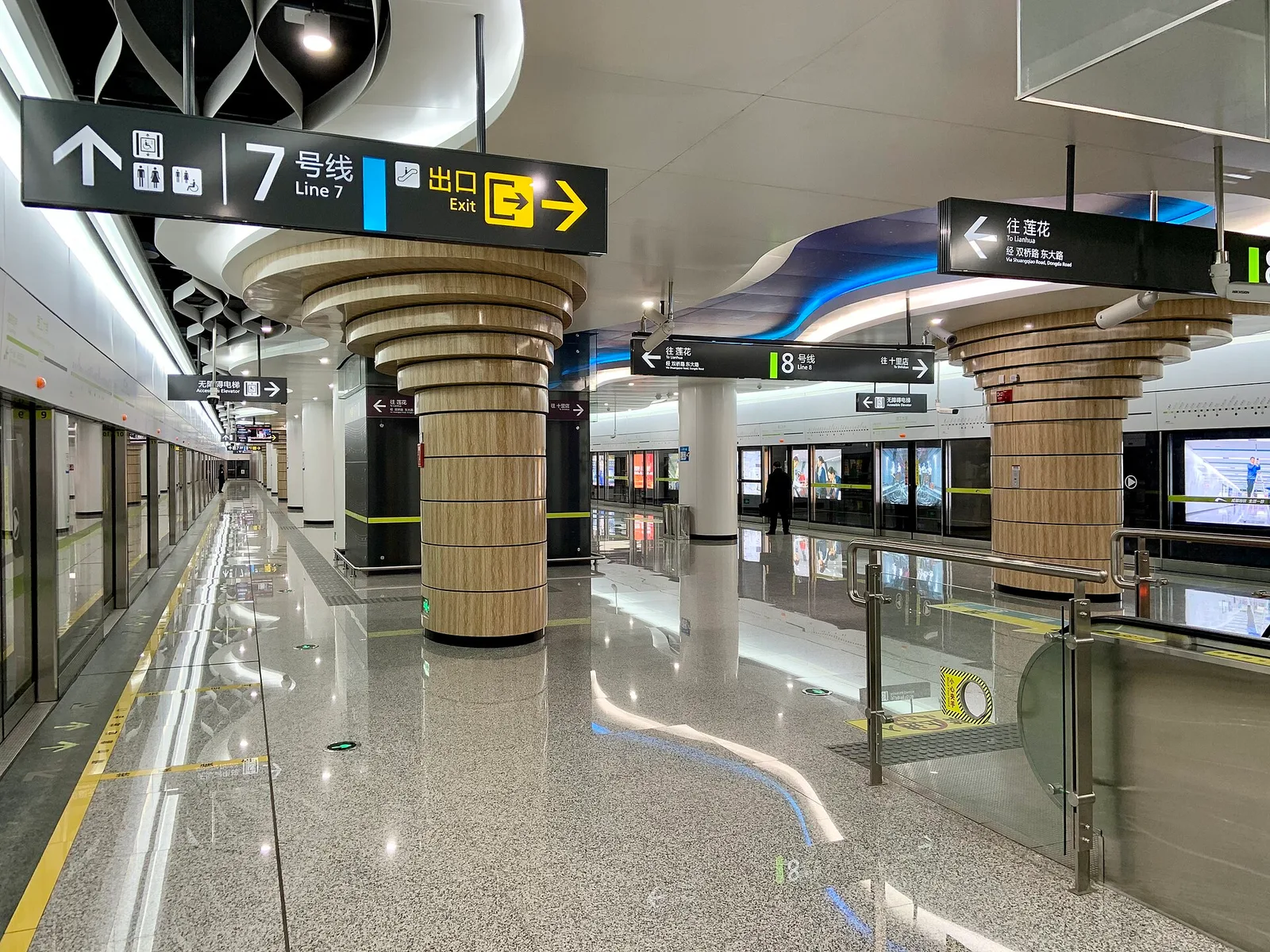
Chengdu's metro is one of the best things about visiting the city. It is extensive, air-conditioned, cheap, and signed in English. It connects both airports, the main railway stations, and most major attractions. The main challenges for visitors are payment setup, rush-hour crowds, and the size of some interchanges. Once you have a working QR code, the system is easy to use.
Lines, fares and payment
The network has more than a dozen lines and covers the city center, both airports, and the high-speed rail stations. Fares are distance-based, typically CNY 2–10 for journeys within the city. Single-journey tickets are sold at machines with English instructions, but most visitors use a QR code from Alipay or WeChat.
To use a QR code, set up the metro mini-program in Alipay or WeChat and link an international card. The gate scanner reads the code. If your app setup fails, buy a single ticket with cash or a card at the machine; some machines accept coins and small notes.
- Distance-based fares, usually CNY 2–10
- Alipay or WeChat QR code at the gates
- Single-journey tickets from machines
Rush hour and station etiquette
Rush hour is roughly 7:30–9:30 a.m. and 5:30–7:30 p.m. on weekdays. Trains are frequent, but the busiest interchanges — Tianfu Square, Chunxi Road, and the railway station stops — can be packed. Avoid these times with luggage if you can.
Bags are scanned at station entrances. Eating and drinking are not allowed on trains. Stand to the right on escalators if you are not walking. Announcements are in Mandarin and English, and platform signs show the direction and next station.
Using the metro for sightseeing
The metro is the best way to reach the Panda Base (Line 3 to Panda Avenue, then a shuttle or walk), Wuhou Shrine (Line 3 to Gaoshengqiao), Kuanzhai Alley (Line 4), and People's Park (Line 2). For the airport, use Line 10 from Shuangliu or Lines 18/19 from Tianfu.
Some attractions are a 10–15 minute walk from the nearest station. Carry water, wear comfortable shoes, and check the exit letter before you surface; large stations have many exits, and the wrong one can add a long walk.
Payment setup and last-mile realities
The QR setup is the part that trips people up. In Alipay, search for the Chengdu metro mini-program or open the Transport section, switch the city to Chengdu, and link a card; in WeChat, use the ride-code mini-program. Complete the setup on hotel Wi-Fi before you stand at a gate, and keep a single-journey ticket or small cash as backup. Foreign cards sometimes work in one app and fail in the other, and a failed scan at a busy gate earns no sympathy from the queue behind you.
Outside the station, shared bikes are useful for the last kilometer to attractions such as the Panda Base shuttle stop or the lanes around Kuanzhai. Unlock them through Alipay or WeChat, check the brakes, and avoid riding on main roads during rush hour. Stations are also shopping concourses: you will pass convenience stores and bakeries inside the paid area, which is handy for water, but eating on the train is not allowed. Last trains generally run until around 11 p.m., with some lines earlier; check the specific line and direction, not just the network average.
- Set up the QR code on Wi-Fi before the gate
- Shared bikes cover the last kilometer
- Last train times vary by line
Best for
- Budget travelers and independent sightseeing
- Anyone staying near a metro station
Honest notes
- Large interchanges involve long walks and stairs.
- QR code setup can fail with some foreign cards; have a backup.
- The metro stops around 11 p.m.; check the last train time.
Not for
- Travelers with heavy luggage during rush hour
- Late-night arrivals after the last train
Keep planning