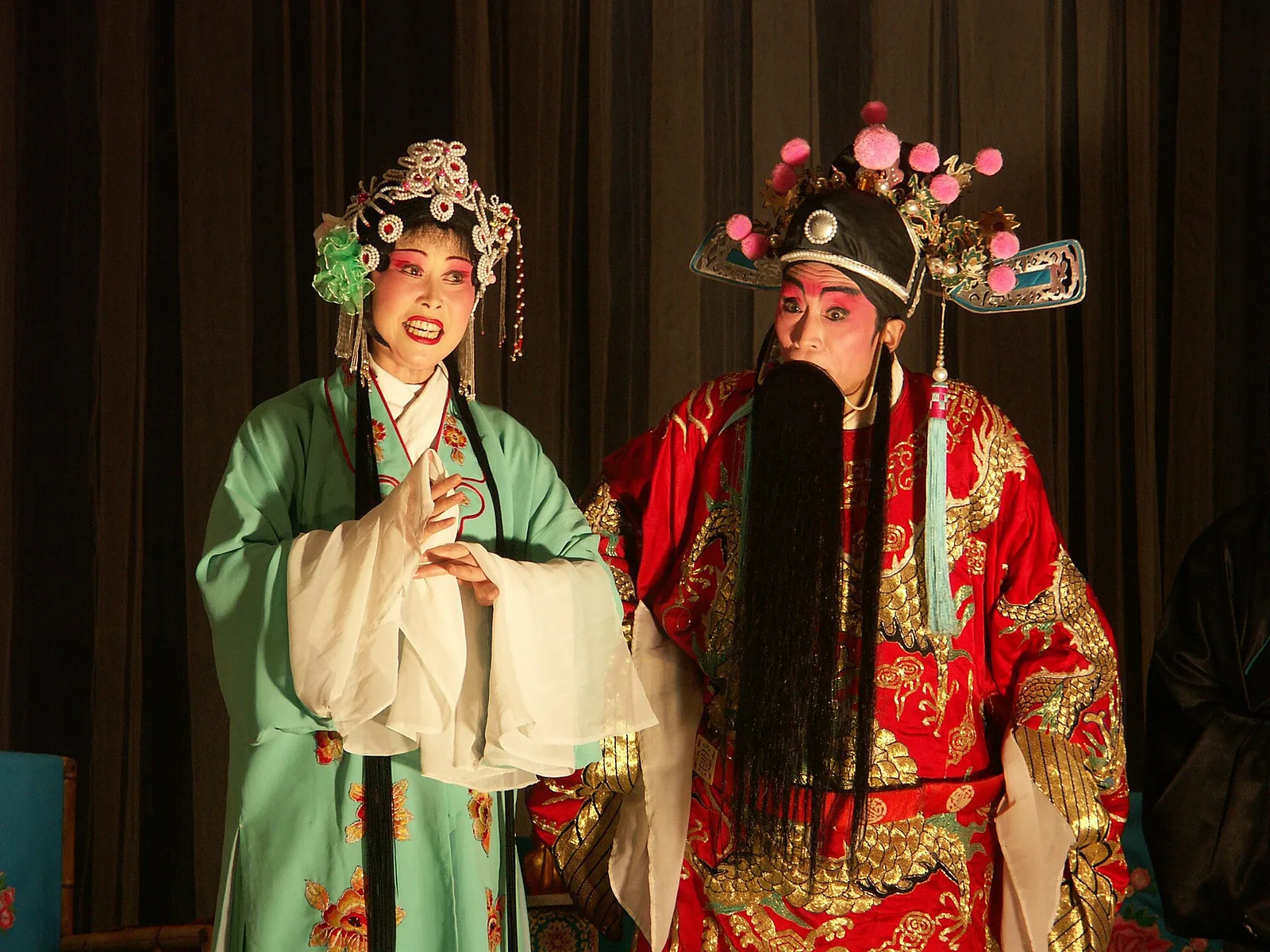
Sichuan opera is Chengdu's best-known performing art, and the face-changing (bian lian) segment is the reason most visitors go. The full tradition is broader: singing, acrobatics, comedy, and percussion, often performed in a teahouse setting with tea and snacks. A tourist-oriented show is short and visual; a more traditional performance is longer and harder to follow without Chinese. Either can be a good evening if you know what you are booking.
What you will see
Most visitor shows include face-changing, fire-spitting, acrobatics, hand-shadow puppetry, and short comic scenes. Face-changing is genuinely impressive live: the performer switches masks in a fraction of a second, often while moving through the audience. The show is designed to be understood without language.
Traditional opera includes sung dialogue in Sichuan dialect, which is difficult for non-Chinese speakers. If you want the full art form, choose a longer performance and read a summary in advance. If you want a fun, visual evening, the tourist show is fine.
- Face-changing (bian lian)
- Fire-spitting and acrobatics
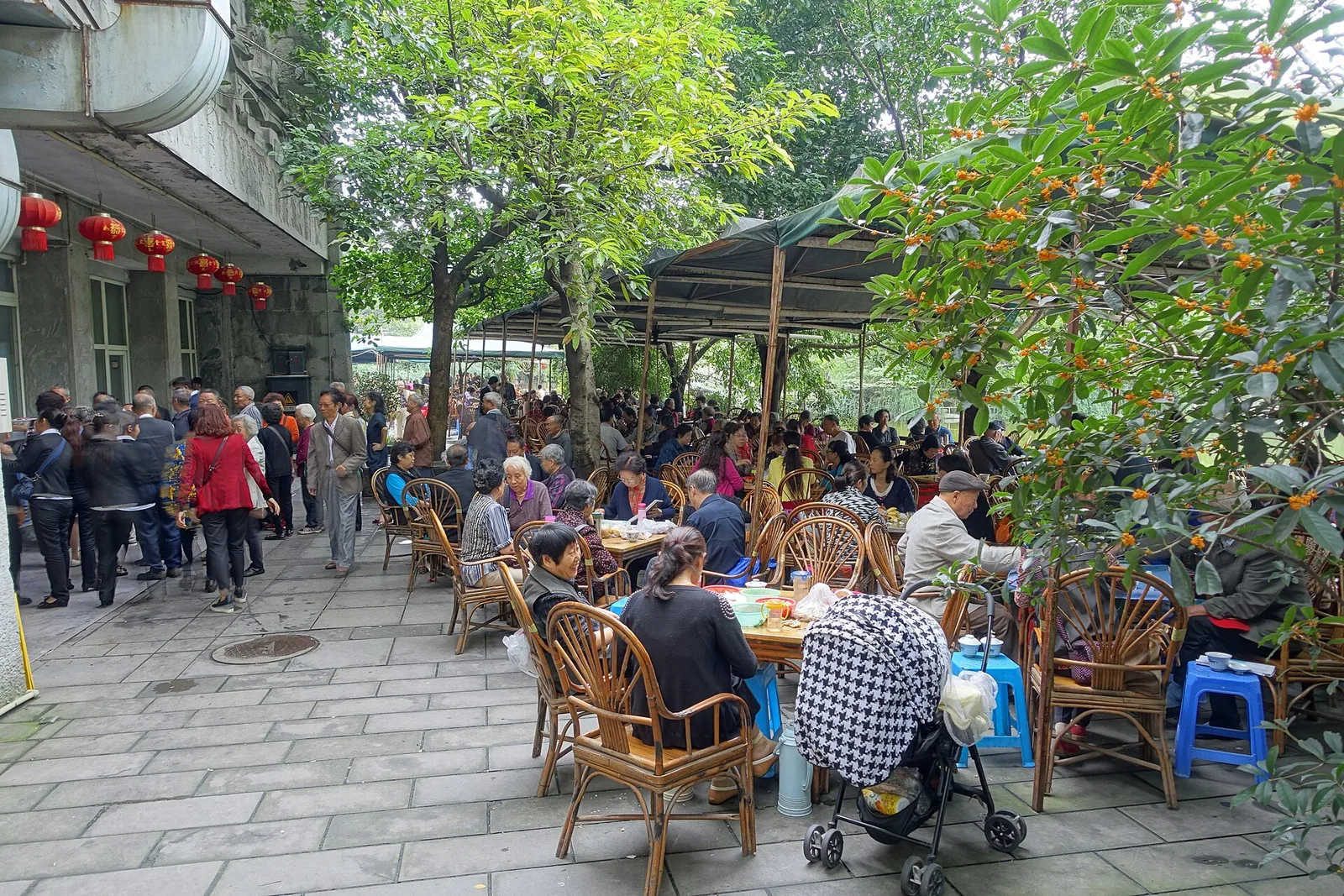
- Teahouse setting with tea and snacks
Where to book and what to pay
The most convenient venues are in central Chengdu, often near Kuanzhai Alley or People's Park. Tickets range from roughly CNY 100–300 depending on seat and venue. Book a day ahead on weekends and holidays. Some shows include tea and snacks; check what is included.
Smaller teahouse theaters feel more intimate than large tourist halls. Read recent reviews for seat comfort and visibility, not just the show. Front-row seats are not always better if the performance includes audience interaction.
Is it worth it?
Yes, for most first-time visitors. The show is short, visual, and distinctly Chengdu. It is also a comfortable evening activity when you are tired of walking. Children usually enjoy the acrobatics and face-changing.
It is not a deep cultural immersion unless you choose a traditional performance and prepare. If you are short on time or prefer food and neighborhoods, skip it without guilt. The city has plenty of other evening options.
Venues, seating and what the ticket includes
The main visitor venues cluster around central Chengdu, with a few in the Culture Park and Kuanzhai Alley area. Tickets usually come in tiers based on how close you sit, and the cheapest seats are often at the back or side, where sightlines are still fine for face-changing but weaker for small hand movements. Book through a hotel, Trip.com, or the venue's official channel; touts outside the door may sell real tickets at a markup, but you have no recourse if something goes wrong.
Shows generally start in the evening and run 90–120 minutes, with tea and snacks included at some venues and sold separately at others. Arrive 20–30 minutes early to find your seat and order tea; latecomers are usually seated between acts. Photography without flash is generally tolerated, but filming the whole show may not be; watch what the staff allow. If you take children, sit near an aisle and expect the acrobatics to be the highlight rather than the sung scenes.
- Cheapest seats still work for face-changing
- Arrive 20–30 minutes early
- Confirm whether tea and snacks are included
Best for
- First-time visitors who want a visual evening show
- Families with children
Honest notes
- Tourist shows are short and simplified.
- Traditional opera can be hard to follow without Chinese.
- Some large venues feel more like a theater than a teahouse.
Not for
- Travelers seeking serious traditional opera
- Anyone with limited time and no interest in performance
Keep planning