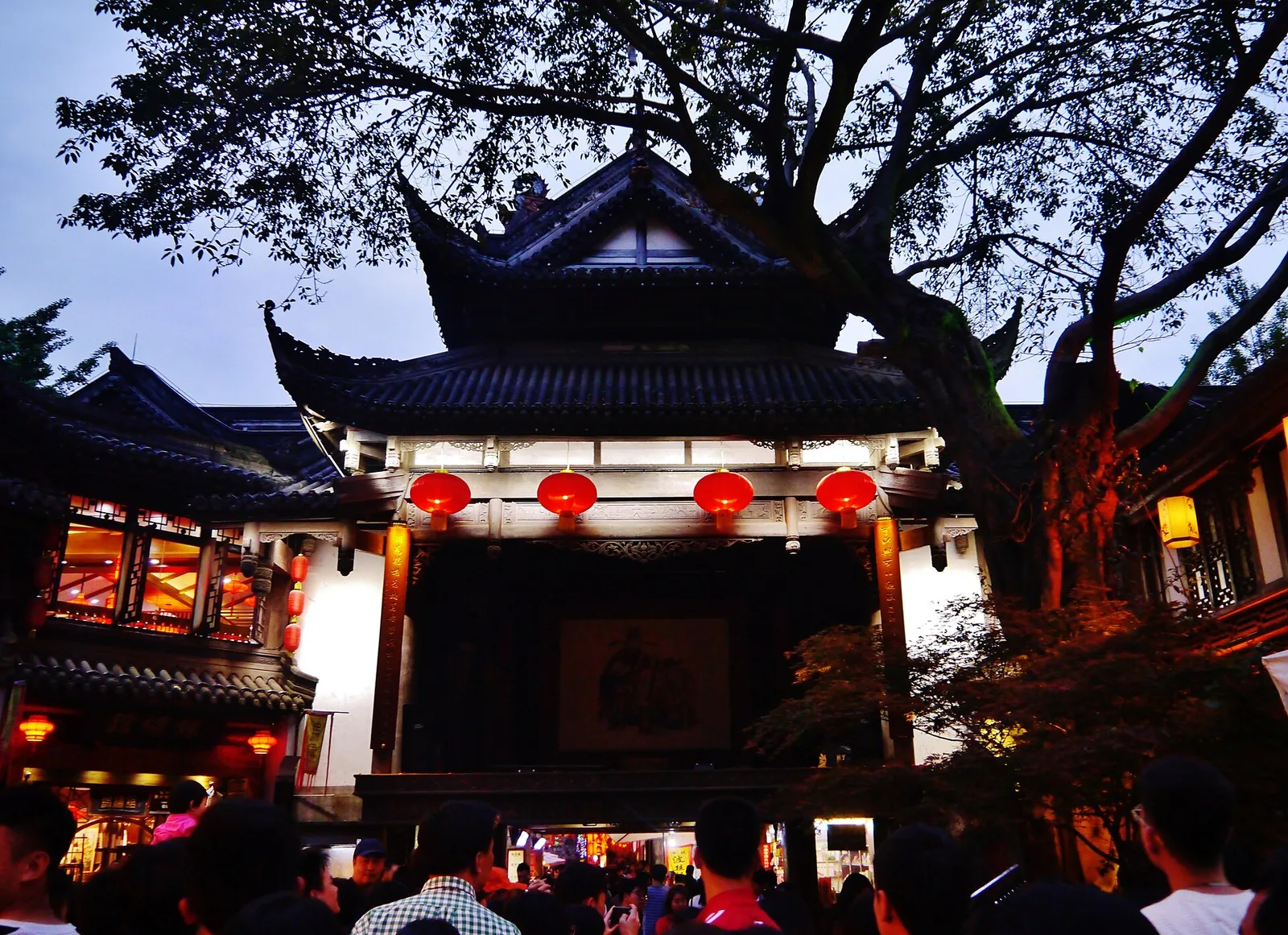
Du Fu Thatched Cottage is Chengdu's quiet, literary counterpoint to the pandas and old streets. The Tang dynasty poet Du Fu lived here in the 8th century, and the site is now a garden museum with reconstructed cottages, bamboo groves, calligraphy, and a small museum. It is not a blockbuster attraction, which is exactly why it works: you can slow down, walk, and read without fighting a tour group.
Why a poet's cottage is worth your time
Du Fu is one of China's most celebrated poets, and his time in Chengdu produced some of his most famous work. The site uses gardens, paths, and reconstructed buildings to evoke that period. You do not need to know the poems to enjoy the atmosphere, but a few translated lines make the visit richer.
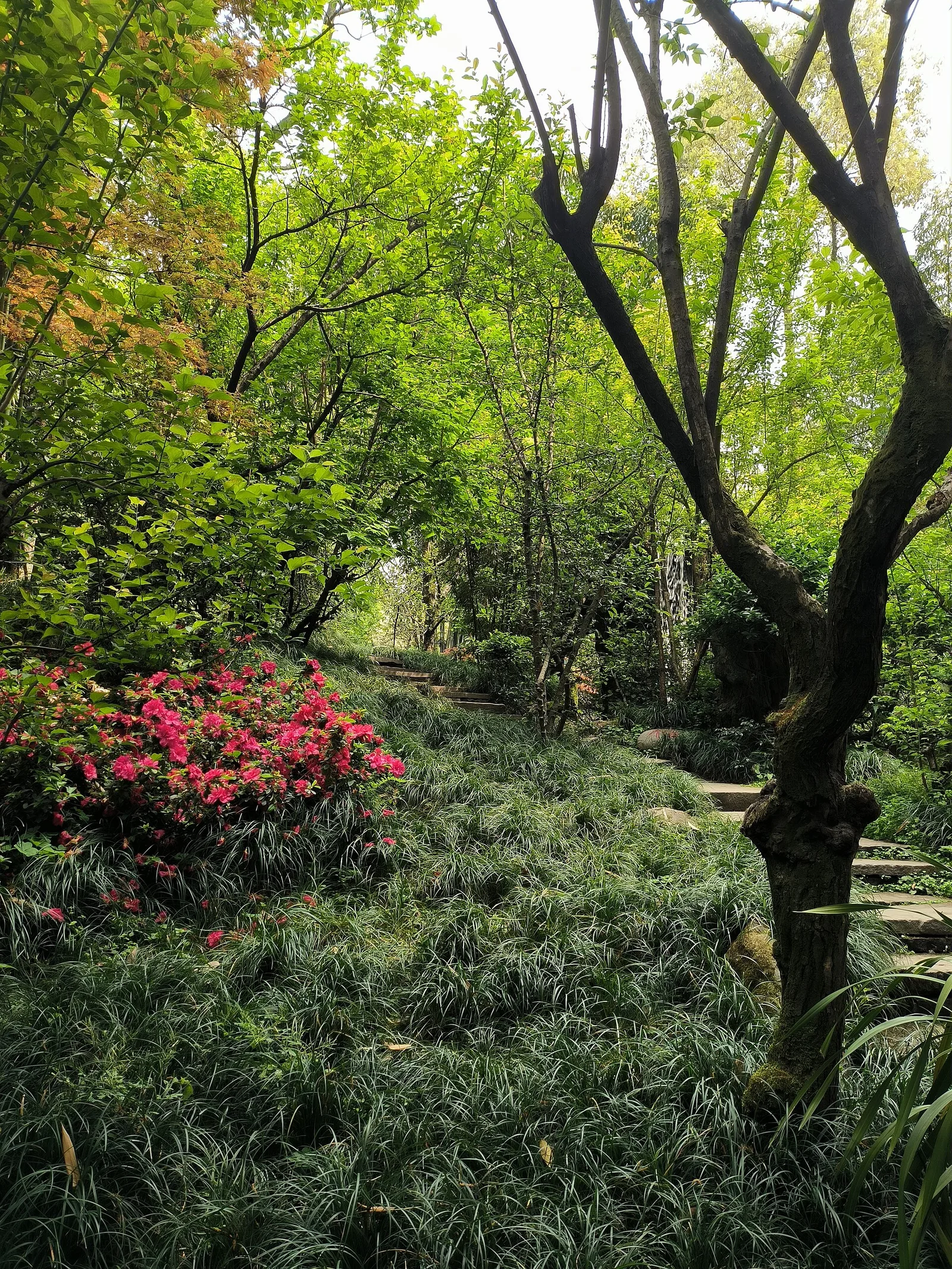
The garden is the main event. Bamboo, ponds, and covered walkways create a calm route through the complex. The museum sections add context without overwhelming you. It is a good rainy-day option because much of the route is sheltered.
- Bamboo groves and classical garden paths
- Reconstructed thatched cottage
- Du Fu poetry and calligraphy exhibits
- A calm escape from central Chengdu crowds
Timing and logistics
Allow 1.5–2 hours. The site is in the western part of the city, near the Huanhuaxi area. Metro access is possible but involves a walk; a DiDi is easier if you are coming from the center. Check current opening hours and ticket prices before you go.
Spring and autumn are the most comfortable seasons. Summer is green but humid; winter is quieter and still pleasant. The paths are mostly flat, but some garden sections may be difficult for wheelchairs.
Getting there, costs and a half-day route
The cottage sits in the Huanhuaxi area west of the center. Metro Line 4 to Caotang North Road leaves you roughly a 15–20 minute walk away, which is fine in dry weather and unpleasant in heavy rain. A DiDi from central Chengdu takes about 20–30 minutes and costs less than a taxi stuck in the same traffic. If you are combining sights, do the cottage first, then the Sichuan Museum, which is free and closed on Mondays.
Tickets are around CNY 50, with discounts for students and seniors; check the current price and opening hours before you go. Allow 1.5–2 hours at an unhurried pace. The site opens in the morning and is quietest before 10 a.m., when the light in the bamboo is also at its best. Late afternoon is the second-best window, especially in summer when the heat eases.
Food options near the exits are limited and overpriced. Walk toward Qinghua Road or the Huanhuaxi park edge for noodle shops and small Sichuan restaurants, or plan to eat back in the center. In late winter, the plum blossoms near the memorial halls are the seasonal draw; in autumn, the osmanthus scent carries through the gardens. The paths are mostly flat, but some garden sections and doorways are not step-free.
Who should go
This is a good stop for travelers who want a slower, quieter Chengdu and for anyone interested in literature, gardens, or Chinese history. It pairs well with a visit to the nearby Sichuan Museum or a walk along the Huanhuaxi park area.
It is not a good fit for travelers who want constant stimulation or who are trying to see only the 'top' sights in 48 hours. The cottage rewards attention and a slower pace.
Best for
- Travelers who want a quiet, literary half-day
- Visitors interested in gardens and Chinese poetry
Honest notes
- The buildings are reconstructions, not the original cottage.
- Without interest in poetry or gardens, it may feel slow.
- It is not as convenient by metro as central attractions.
Not for
- Travelers with only 24 hours and a checklist mindset
- Families looking for interactive activities
Keep planning