The Chengdu Panda Base is the one attraction almost every first-time visitor books, and it is worth doing — but only if you treat it as a morning attraction. Pandas are most active around feeding time, the site is large, and the difference between an 8 a.m. arrival and a 10:30 a.m. arrival is the difference between watching pandas move and watching pandas sleep. This guide covers the realistic timing, the ticket process, how to get there, and what to skip.
Why go, and what you will actually see
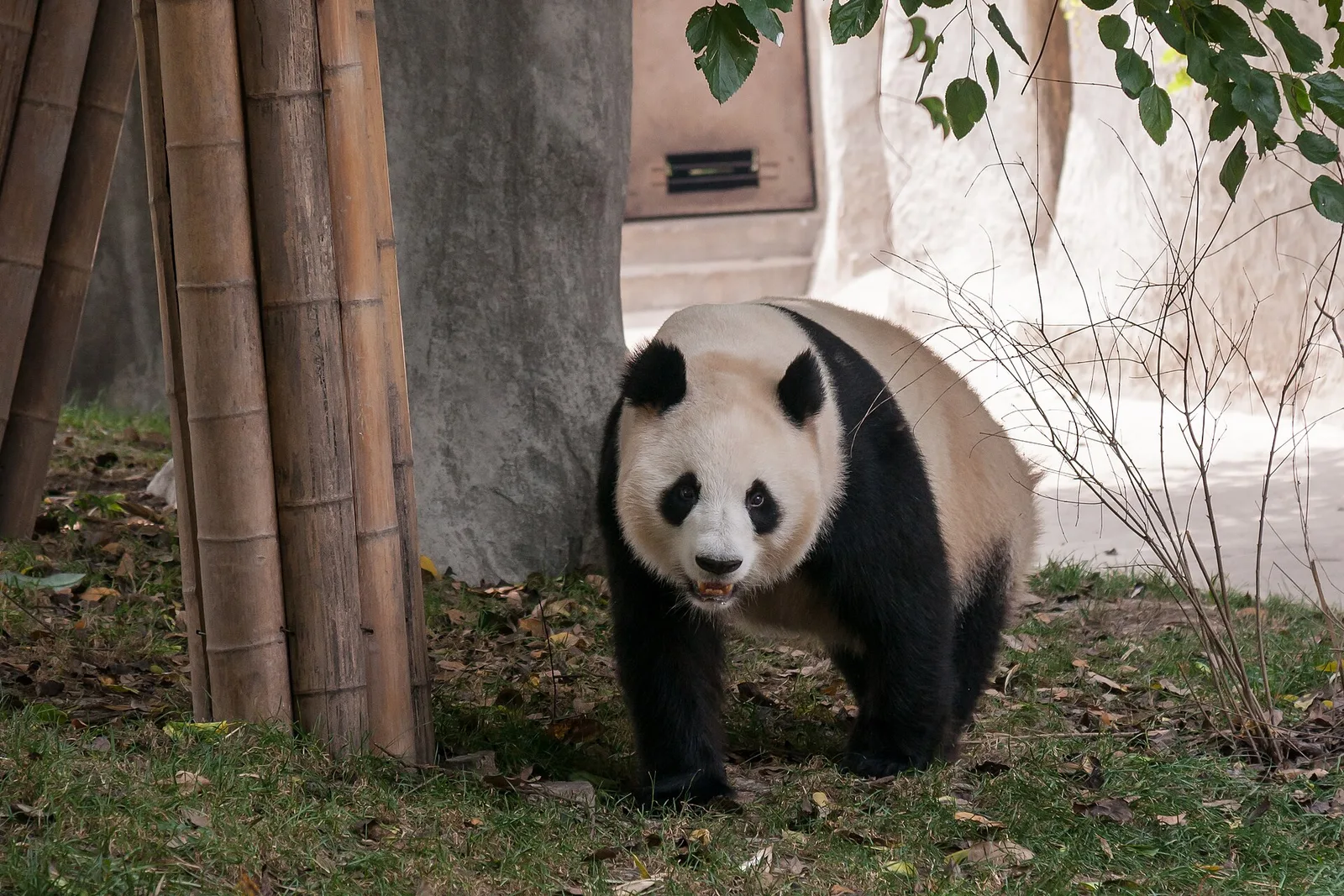
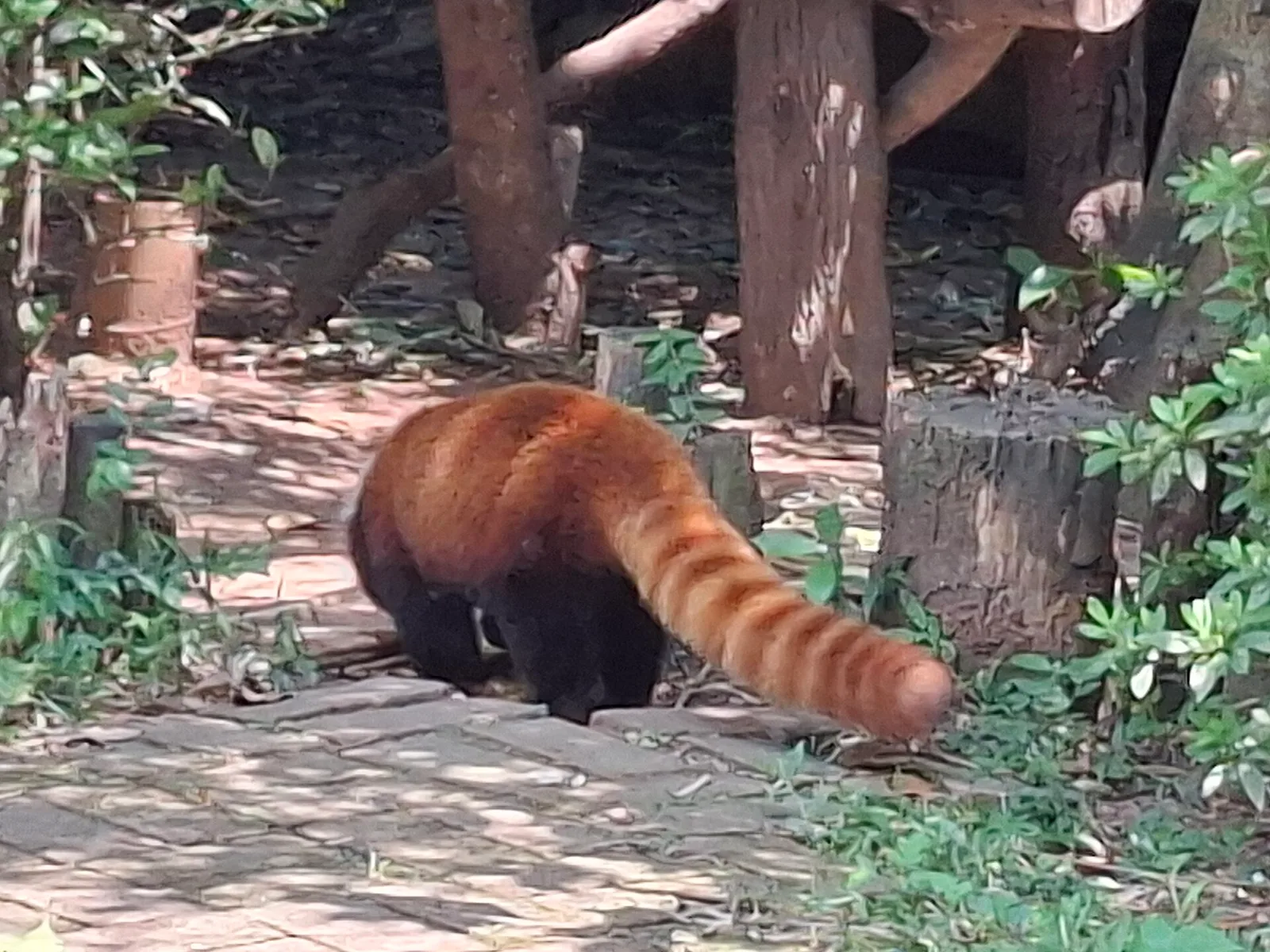
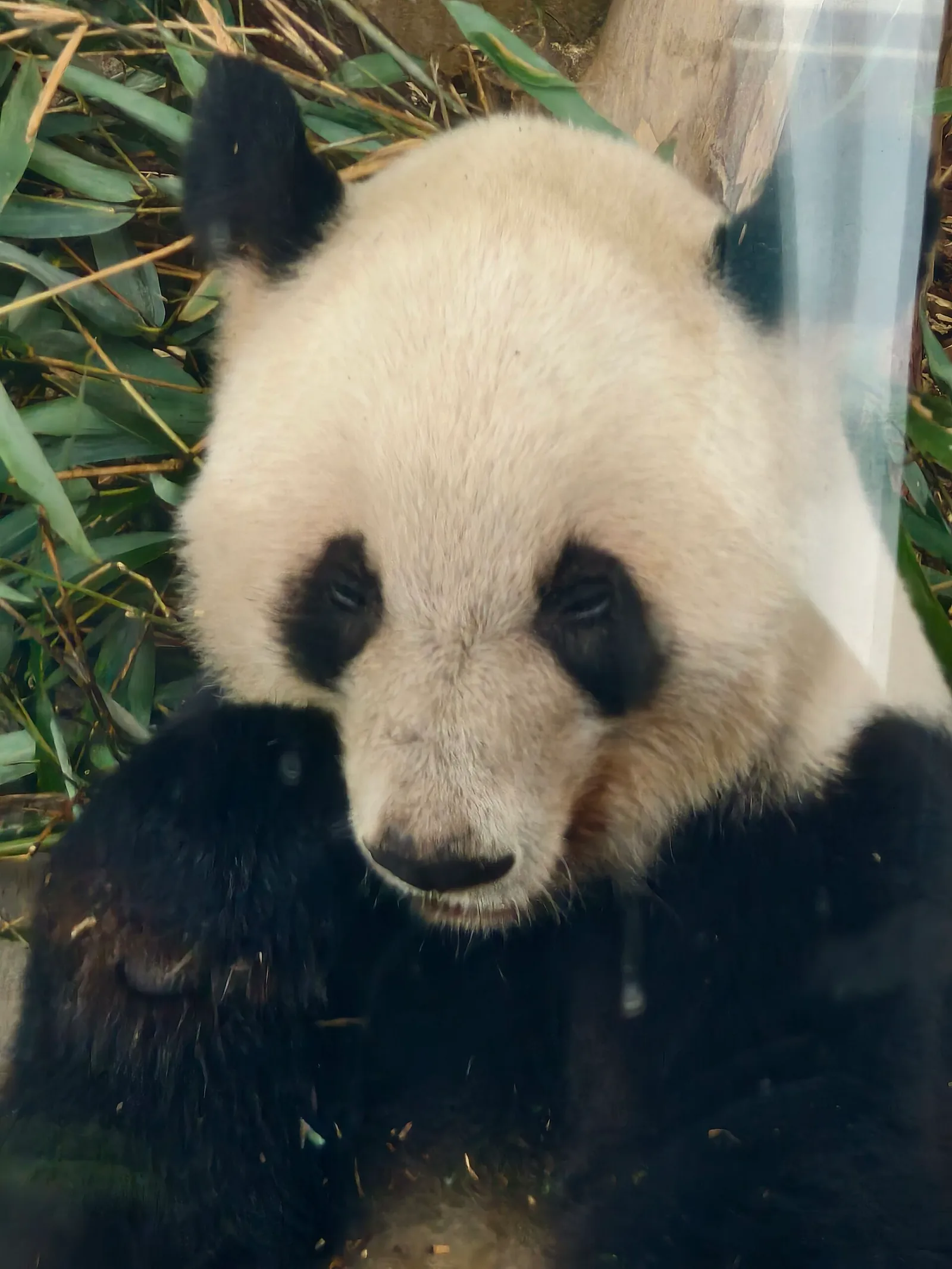
The base is a conservation and breeding facility, not a zoo with a single exhibit. You walk through bamboo groves and past several panda enclosures, plus red panda areas and a nursery that is sometimes open to visitors. The giant pandas are the headline, but the red pandas are often more active and give you a better look at animal behavior.
The best experience is simple: arrive near opening, walk to the far enclosures first, then work your way back toward the exit. Most tour groups cluster near the entrance and the first few enclosures, so a slightly longer walk at the start usually buys you quieter viewing.
- Adult giant pandas eating bamboo in the morning
- Red pandas moving through their enclosures
- The nursery when it is open (seasonal, not guaranteed)
- Bamboo forest paths and a surprisingly hilly site
Timing, tickets and getting there
Aim to be at the gate around 7:30–8:00 a.m. The base opens early, and the first two hours are when the pandas are most likely to be eating, climbing, or moving around. By late morning, many will be asleep, and the paths will be full of school groups and tour buses.
The base is in Chenghua District, north of the city center. Metro Line 3 to Panda Avenue is the usual public-transport option, followed by a short shuttle or walk to the entrance. A DiDi or taxi from central Chengdu takes roughly 25–40 minutes depending on traffic. Buy tickets through the official mini-program or a reputable platform, bring your passport, and check the current opening hours before you go.
- Go on a weekday if you can; weekends are much busier
- Wear comfortable shoes — the site is spread across a hillside
- Bring water and mosquito repellent in summer
- Do not book a late-morning tour and expect active pandas
A realistic three-hour route
If you have only a morning, do not try to cover every path. From the main gate, walk or take the shuttle uphill toward the nursery and the adult enclosures first, because that is where the crowds arrive last. Work downhill through the red panda areas and bamboo groves on the way back. The site is hillier than most visitors expect, and the sun is already strong by mid-morning in summer.
Feeding times shift with the season and the keepers' schedule, so ask at the gate or check the official account on the day. Panda cubs are usually in the nursery only in certain months; if that is your priority, confirm before buying a ticket. Plan a rest stop near the exit rather than mid-route, and keep an eye on the clock if you have a lunch booking back in the city.
- Enter at opening and head uphill first
- Ask staff for the day's feeding schedule
- Confirm nursery access before you count on it
The honest trade-offs
The base is not a place to 'do everything.' The souvenir shops are expensive, the food options inside are mediocre, and the shuttle bus can be slower than walking when queues build. If you have limited time, focus on the panda enclosures and red pandas, then leave.
You cannot hold a panda here. There are official volunteer and donation programs, but they are limited, expensive, and not part of a normal visit. Anyone selling you a guaranteed panda-holding experience is not offering the standard tourist product. If animal welfare matters to you, skip anything that looks like a photo-prop encounter.
Best for
- Travelers who will get up early for a better experience
- Families with children old enough to walk for a few hours
Honest notes
- After 11 a.m. you are mostly looking at sleeping pandas.
- Weekends and Chinese holidays can make the narrow paths feel like a queue.
- The on-site food is overpriced; eat before or after your visit.
Not for
- Late risers who want a relaxed 11 a.m. start
- Travelers expecting a close-up, hands-on animal encounter
Keep planning