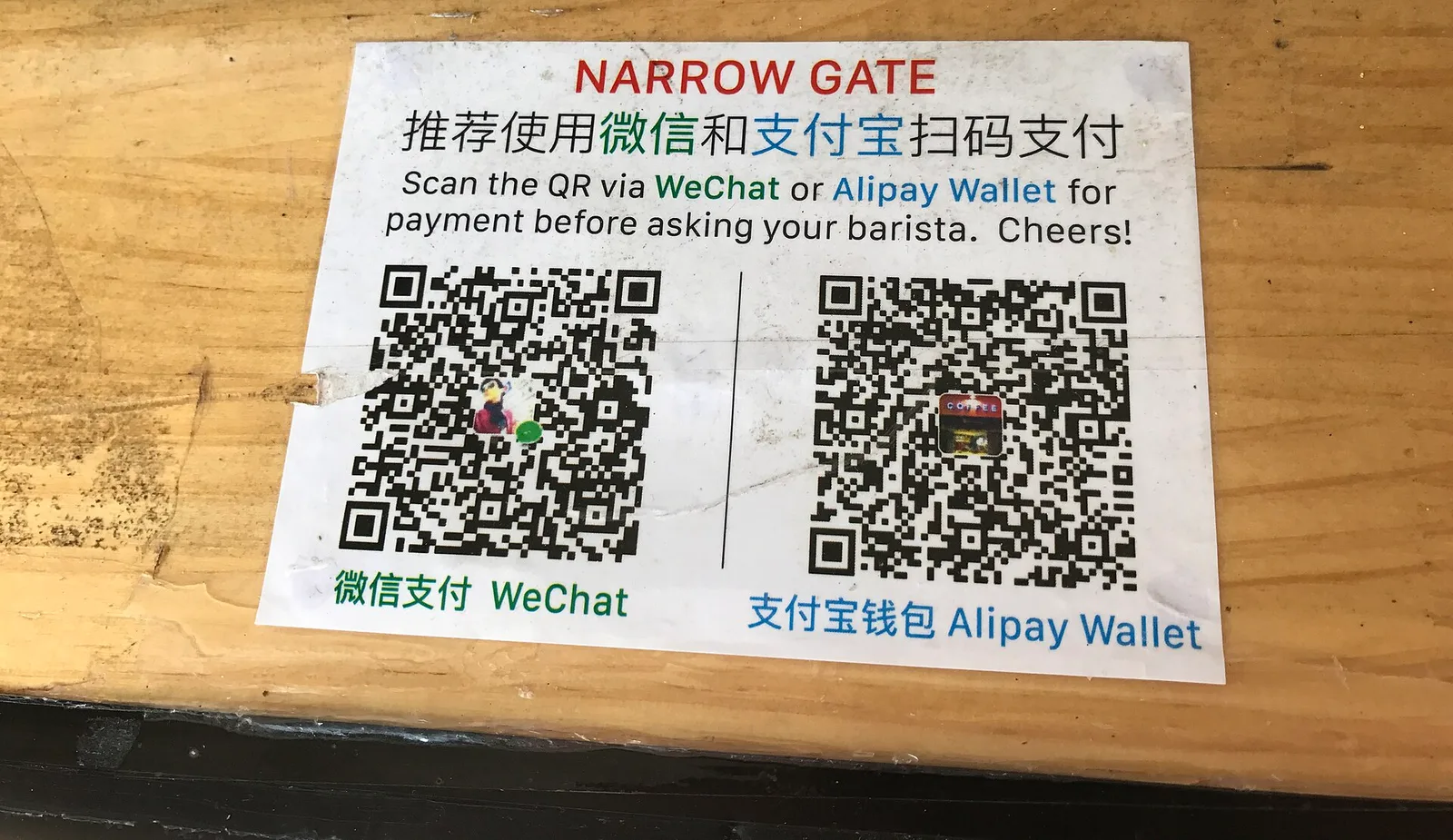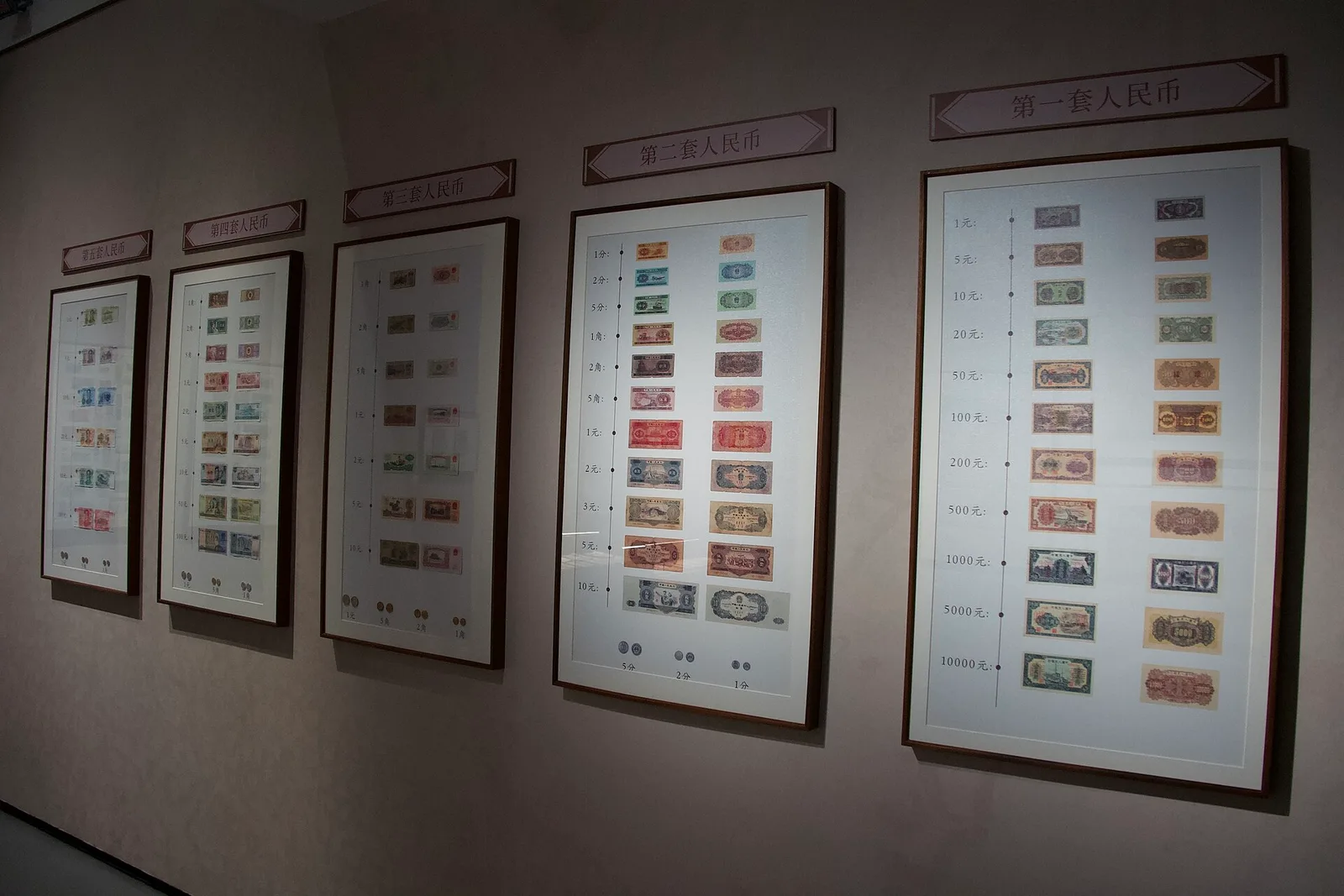
Chengdu runs on mobile payments, but cash is still useful — and occasionally necessary. Small vendors may not accept foreign cards, apps can fail, and a taxi driver may prefer a note to a QR code. You do not need a thick wallet, but carrying CNY 300–500 in small denominations is a sensible safety net.
How much cash to carry
For a typical trip, CNY 300–500 per person is enough as a backup. Keep most of it in a hotel safe and carry CNY 100–200 for the day. Ask for smaller notes when you exchange money or withdraw from an ATM; a CNY 100 note can be difficult for a noodle shop to break.
Cash is most useful for: small snack stalls, rural day trips, temple donations, luggage storage, and taxis whose card reader is broken. It is least useful at hotels, malls, and chain restaurants, where cards and mobile payments are standard.
- CNY 300–500 as a trip backup
- CNY 100–200 for daily carry
- Ask for small notes
ATMs that accept foreign cards
Bank of China, ICBC, China Construction Bank, and Agricultural Bank of China ATMs usually accept foreign cards. Look for the Visa, Mastercard, or Plus/Cirrus logos. Withdrawal limits vary; many machines dispense up to CNY 2,500–5,000 per transaction. Your home bank may charge a foreign transaction fee.
Use ATMs inside bank branches or major shopping areas rather than isolated street machines. Check the machine for a skimming device, cover your PIN, and keep the receipt. If a machine rejects your card, try another bank rather than repeating the same transaction.
Exchanging money and avoiding problems
Currency exchange is available at airports and major banks, but rates and hours vary. ATMs are usually simpler. Do not exchange money with individuals on the street. Keep your passport with you for bank transactions; some branches require ID.
If you are stuck without cash or a working app, ask your hotel front desk for help. They can often accept a card payment and give you cash, or direct you to a nearby bank. Do not rely on this as a plan, but it is a useful fallback.
- Use bank ATMs inside branches or malls
- Keep receipts and cover your PIN
- Ask your hotel for help if an app fails
Breaking notes and ATM mechanics
Chinese ATMs usually offer an English menu, but the order of steps varies: insert the card, choose the language and amount, then take the cash before the card. Some machines dispense a mix of CNY 100 notes only, which is exactly what you do not want. Withdraw a smaller amount at a staffed bank counter if you can, and ask for a mix of 20s and 10s. Convenience stores, chain cafes, and metro ticket machines are the most reliable places to break a 100; tiny noodle shops may simply refuse.
Use ATMs attached to a bank branch during daylight hours where possible, and avoid standalone machines in tourist markets. If a machine offers to convert the charge to your home currency, choose Chinese yuan and let your bank do the conversion; the machine's rate is usually worse. Keep the withdrawal receipt until you have checked your banking app. A declined card is common and rarely means your account is frozen; try a different bank before calling home.
- Choose CNY, not your home currency, at the ATM
- Break 100s at convenience stores or chain cafes
- Try a different bank if a card is declined
Best for
- Independent travelers who want a backup
- Visitors planning day trips outside the city
Honest notes
- Some ATMs reject foreign cards without explanation.
- Large notes can be hard to break at small shops.
- Your home bank may charge both ATM and foreign transaction fees.
Not for
- Travelers who rely entirely on mobile payment
- Anyone carrying large amounts of cash unnecessarily
Keep planning