Chengdu is a mobile-payment city. Alipay and WeChat Pay are used for everything from street snacks to metro tickets, and many vendors rarely handle cash. The good news is that both apps now support international credit and debit cards for foreign visitors. The bad news is that setup can fail, some transactions carry fees, and not every small vendor accepts foreign cards. Set up both apps before you arrive and keep a cash backup.
Alipay and WeChat Pay for visitors
Download Alipay and WeChat before you travel. Register with your home phone number, complete identity verification with your passport, and add an international Visa, Mastercard, American Express, JCB, or Discover card. Alipay has a dedicated international version with an English interface; WeChat Pay is inside the WeChat app and is less foreigner-friendly to set up.
Once a card is linked, you can scan a merchant's QR code or show your payment code. Small transactions may be fee-free, while larger ones can incur a service fee; check the current terms in the app. Some foreign cards are declined for certain merchants, so having both apps and a physical card is useful.
- Set up Alipay and WeChat before arrival
- Link an international card and verify your passport
- Keep a physical card and some cash as backup
Where cards and cash still work
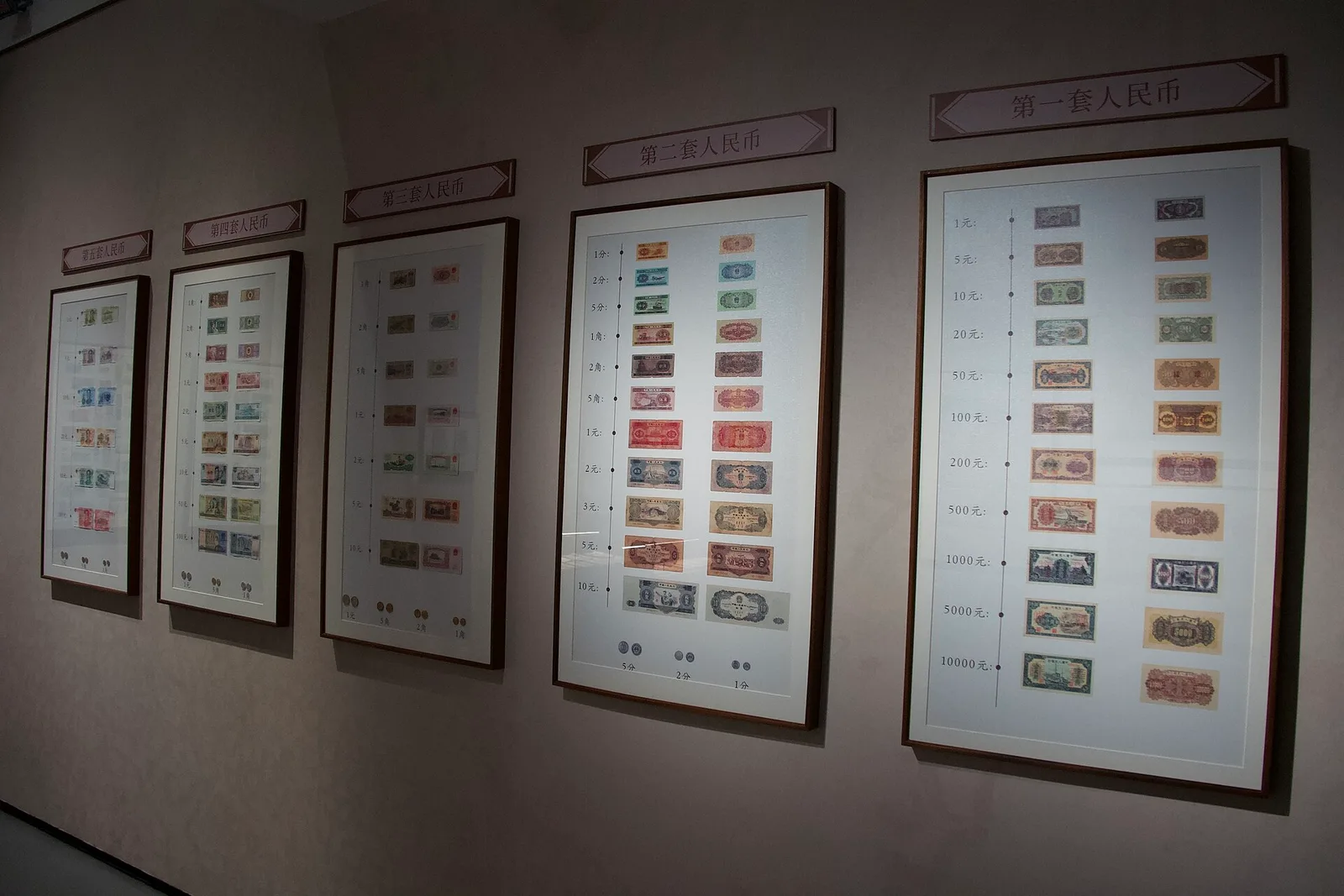
Hotels, malls, international restaurants, and airports usually accept Visa and Mastercard. Small restaurants, noodle shops, taxis, and market stalls often do not. Cash is legal tender and should be accepted, but vendors may struggle to make change for large notes. Carry small denominations.
If a vendor says they do not take cash, it is usually because they do not have change or are used to mobile payment, not because cash is illegal. Be patient and use a smaller note or a mobile payment if you can.
Practical setup tips
Test your payment apps before you leave the airport: buy a bottle of water or a metro ticket. If a card fails, try another card or link the card to the other app. Bank fraud controls may block a first transaction in China; call your bank before you travel and enable international use.
Keep your phone charged. A dead phone means no payment, no DiDi, and no translation. Carry a power bank and a small amount of cash. Do not rely on a single payment method for a whole trip.
- Test your app with a small purchase on arrival
- Tell your bank you are traveling
- Carry a power bank and cash backup
At the counter: what to expect
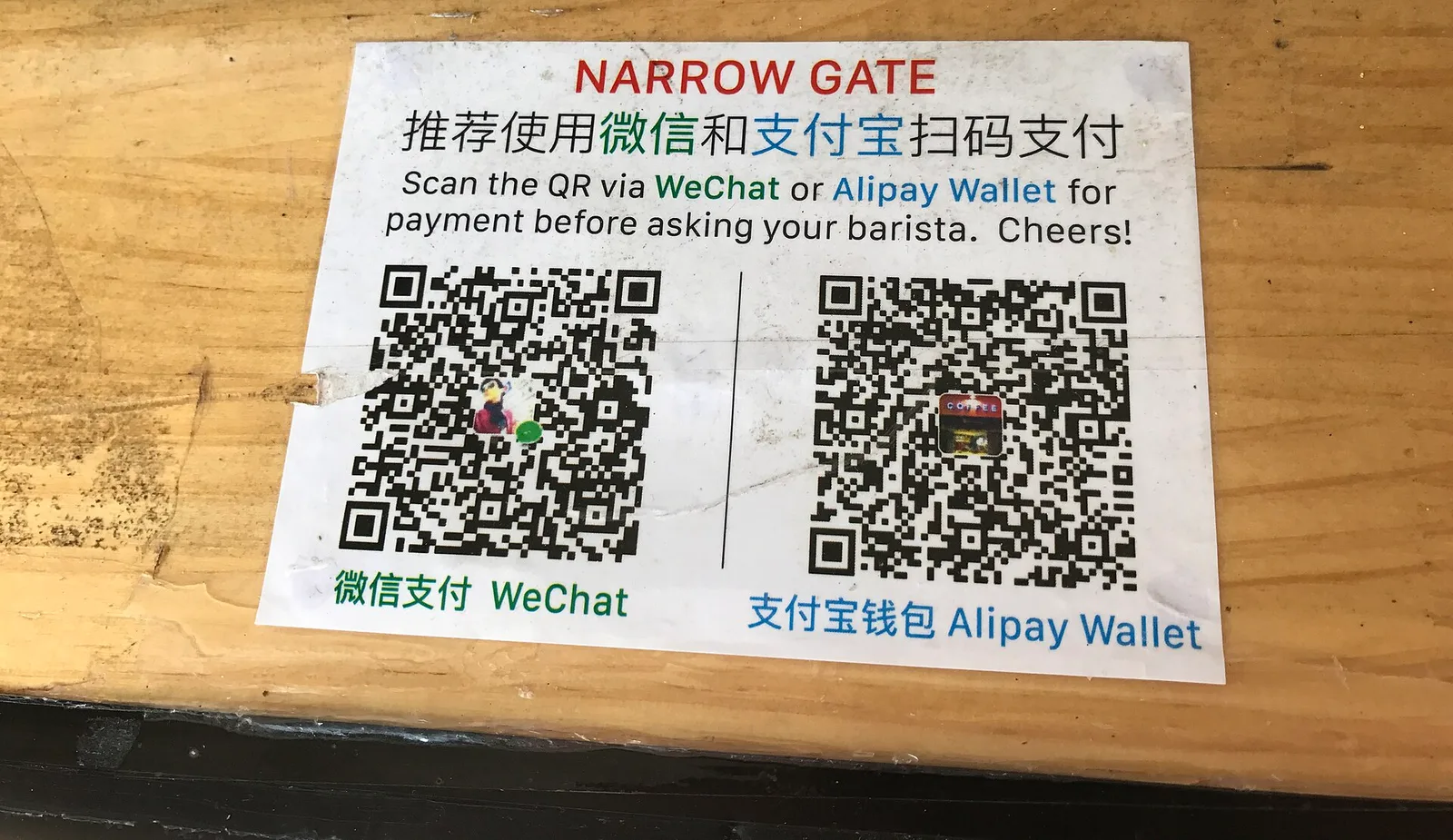
Chinese payment flows run in two directions. At a convenience store or chain restaurant, you scan the shop's QR code with Alipay or WeChat, type the amount, and show the success screen. At a market stall or small restaurant, the vendor scans your payment code instead. Learn both before you queue. Some merchants display two codes, one for each app, and a few accept only one; if your first choice fails, try the other app rather than arguing.
Receipts are rarely offered unless you ask, and tips are not expected anywhere. Splitting a bill is unusual; one person pays and others transfer their share in-app, which is awkward without a Chinese account. For taxis, the meter price is the price. If a card-linked payment fails at a busy counter, switch to the other app or cash quickly and sort out the card later; holding the queue is the fastest way to make a simple meal stressful.
- You scan the shop, or the shop scans you
- No tipping; receipts on request
- Switch apps or cash quickly if a card fails
Best for
- All independent travelers
- Anyone planning to eat at local restaurants and use taxis
Honest notes
- Some foreign cards are declined even when linked.
- Small vendors may not have change for CNY 100 notes.
- App interfaces and fees change; verify current terms.
Not for
- Travelers on a fully guided package with all meals prepaid
- Anyone unwilling to use a smartphone for payments
Keep planning