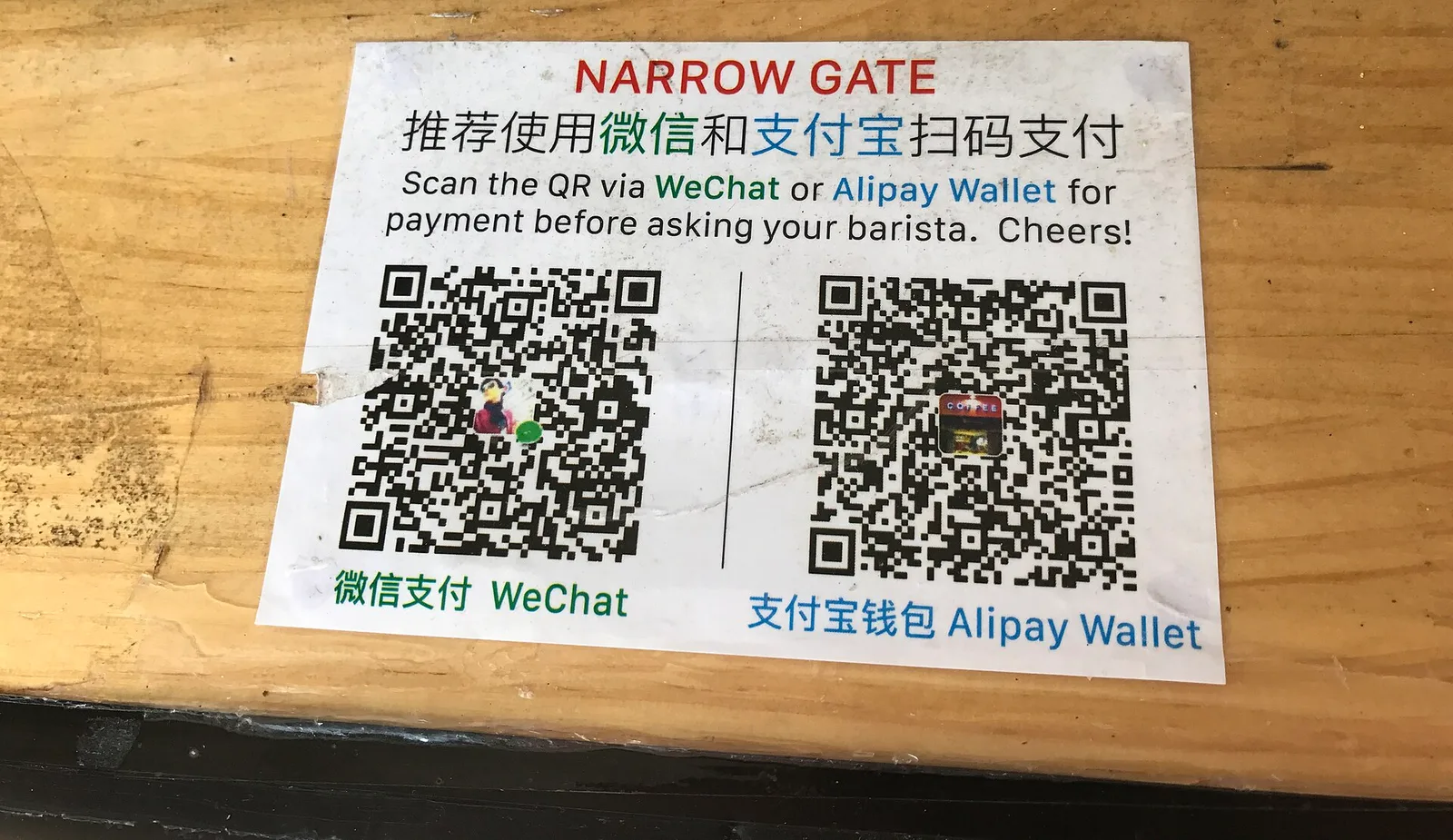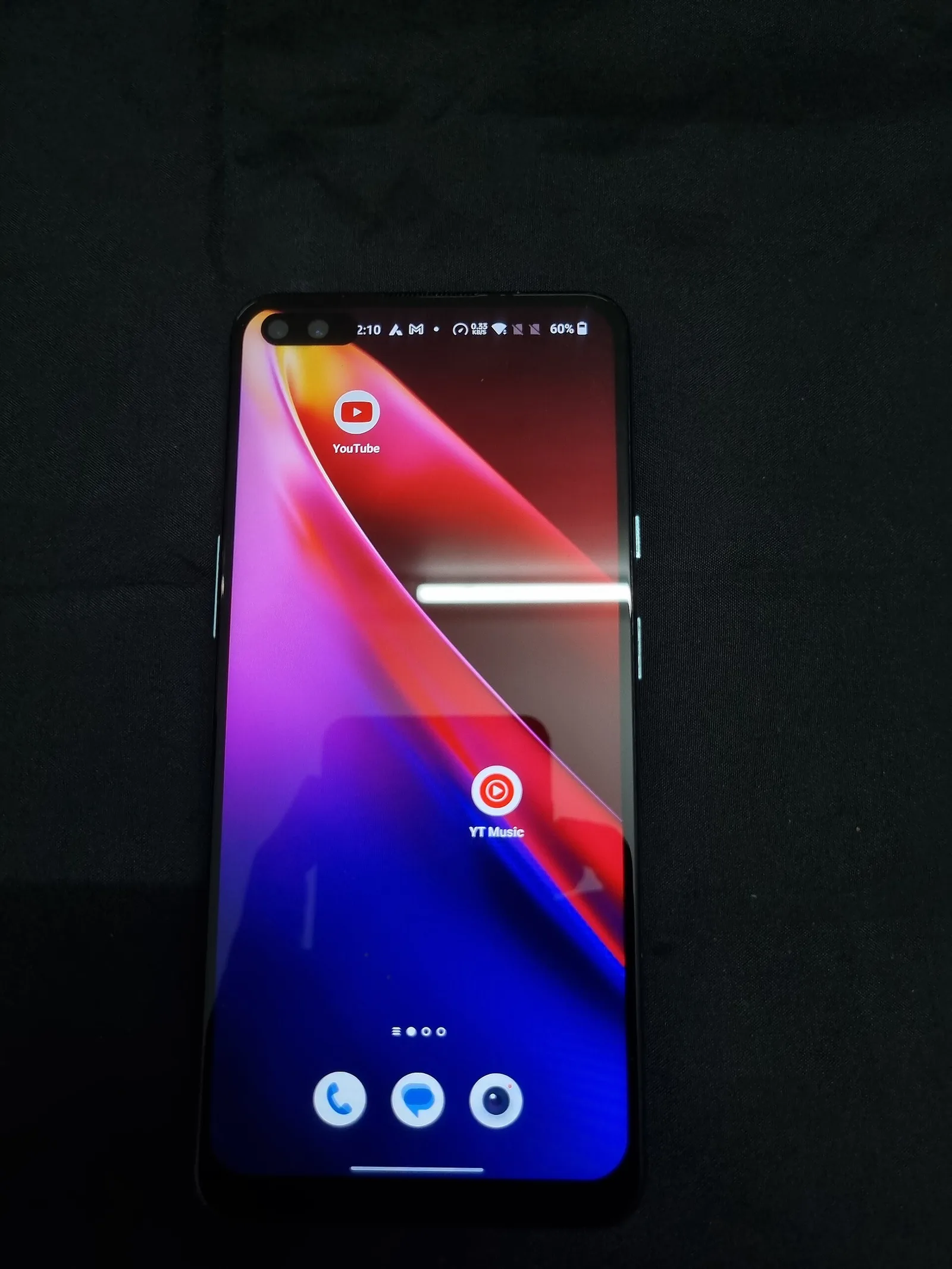
Internet access is essential in Chengdu: payments, maps, translation, and ride-hailing all depend on your phone. The simplest option for most short-term visitors is an international eSIM or roaming plan that keeps your home carrier's data package. Local SIM cards are available but require passport registration and may not give you the same app experience. Plan this before you arrive, not at the airport.
eSIM vs local SIM vs roaming
An international eSIM is a data-only plan you install before departure. It is convenient, avoids queueing at a airport counter, and keeps your home number active for messages. Check that your phone is eSIM-compatible and unlocked. Data-only means you will use apps like WhatsApp or email over the data connection, not your home number.
A local SIM gives you a Chinese phone number, which can be useful for restaurant reservations and some apps, but requires passport registration and a shop visit. Roaming with your home carrier is the simplest option but can be expensive; check the daily rate and data cap.
- International eSIM: easiest for short trips
- Local SIM: Chinese number, passport required
- Roaming: simple but potentially expensive
What may not work on local networks
Some international apps and services may be unavailable or unreliable on mainland Chinese networks. This can affect maps, messaging, and social media. The exact list changes, so check your carrier's guidance and plan your connectivity before arrival. Do not rely on a single app for navigation or payments.
If you use an international eSIM that routes data outside the mainland, your app experience may be closer to what you are used to. This is not guaranteed, and it may be slower. Download offline maps, translation packs, and your hotel address before you travel.
Practical setup
Install and test your eSIM at home. Enable data roaming if your plan requires it. Save your hotel's Chinese name and address offline, and download a translation app with offline Chinese. Carry a power bank; navigation and translation drain battery quickly.
Public Wi-Fi exists in hotels, cafes, and malls, but it often requires a Chinese phone number for verification. Do not depend on it for payments. Use your own data plan for anything important.
- Test the eSIM before departure
- Download offline maps and translation
- Carry a power bank
Coverage, speed and setup checks
Before you buy a plan, check two things: whether it covers mainland China specifically, and whether it routes data through a server outside the mainland. Plans sold as Asia sometimes exclude China, and a local-routing plan may give you a different app experience than one that routes internationally. Read the fine print rather than the headline price. Speeds are usually fine for maps, messaging, and payments in central Chengdu; video can be patchy in crowded areas and on the metro.
Install the eSIM at home and label it clearly in your phone settings so you do not accidentally switch your primary line and lose bank verification texts. Turn on data roaming for the eSIM if the plan requires it, and set it as the data line while keeping your home SIM active for SMS. If the eSIM shows no signal on arrival, toggle airplane mode, check the APN settings, and restart the phone before buying a local SIM in a panic.
- Confirm the plan covers mainland China
- Label the eSIM and keep home SMS active
- Toggle airplane mode and check APN if it fails
Best for
- Short-term visitors who need reliable data
- Travelers who rely on maps, translation, and ride-hailing
Honest notes
- Some international apps may not work on local networks.
- eSIM speeds vary by carrier and location.
- A data-only eSIM will not give you a Chinese phone number.
Not for
- Travelers who plan to use only hotel Wi-Fi
- Anyone who needs a Chinese number for business
Keep planning