Chengdu is not an English-speaking city. Hotel staff and major attraction ticket offices usually manage some English, but taxi drivers, restaurant servers, and shopkeepers often do not. This is not a barrier to a good trip, but it does require preparation. A translation app, screenshots of addresses in Chinese, and a handful of phrases will cover almost everything.
Where English works
International hotels, airport information desks, major museums, and high-end restaurants are the most likely places to find English. Metro signage and announcements are bilingual. Tourist-area shops may have English menus or pictures, but do not assume the staff can explain ingredients or allergies.
Outside these settings, expect Mandarin and Sichuan dialect. Younger people may have basic English, but it is not reliable. Starting with 'nǐ hǎo' (hello) and showing a translated sentence is more effective than speaking English slowly.
- Hotels, airports, museums: some English
- Metro: bilingual signage
- Restaurants and taxis: limited English
Phrases worth knowing
Learn a few basics: nǐ hǎo (hello), xièxie (thank you), duìbuqǐ (sorry), duōshao qián (how much), bù là (not spicy), wēi là (mild), and mǎi dān (the bill). For directions, 'qǐng dài wǒ qù...' (please take me to...) plus a Chinese address is useful in a taxi.
Numbers are worth practicing: yī, èr, sān, sì, wǔ, liù, qī, bā, jiǔ, shí. You may need them for prices, platform numbers, and hotel room numbers. A translation app can speak the phrase aloud if your pronunciation is uncertain.
- nǐ hǎo — hello
- xièxie — thank you
- bù là / wēi là — not spicy / mild
- mǎi dān — the bill
Translation tools and etiquette
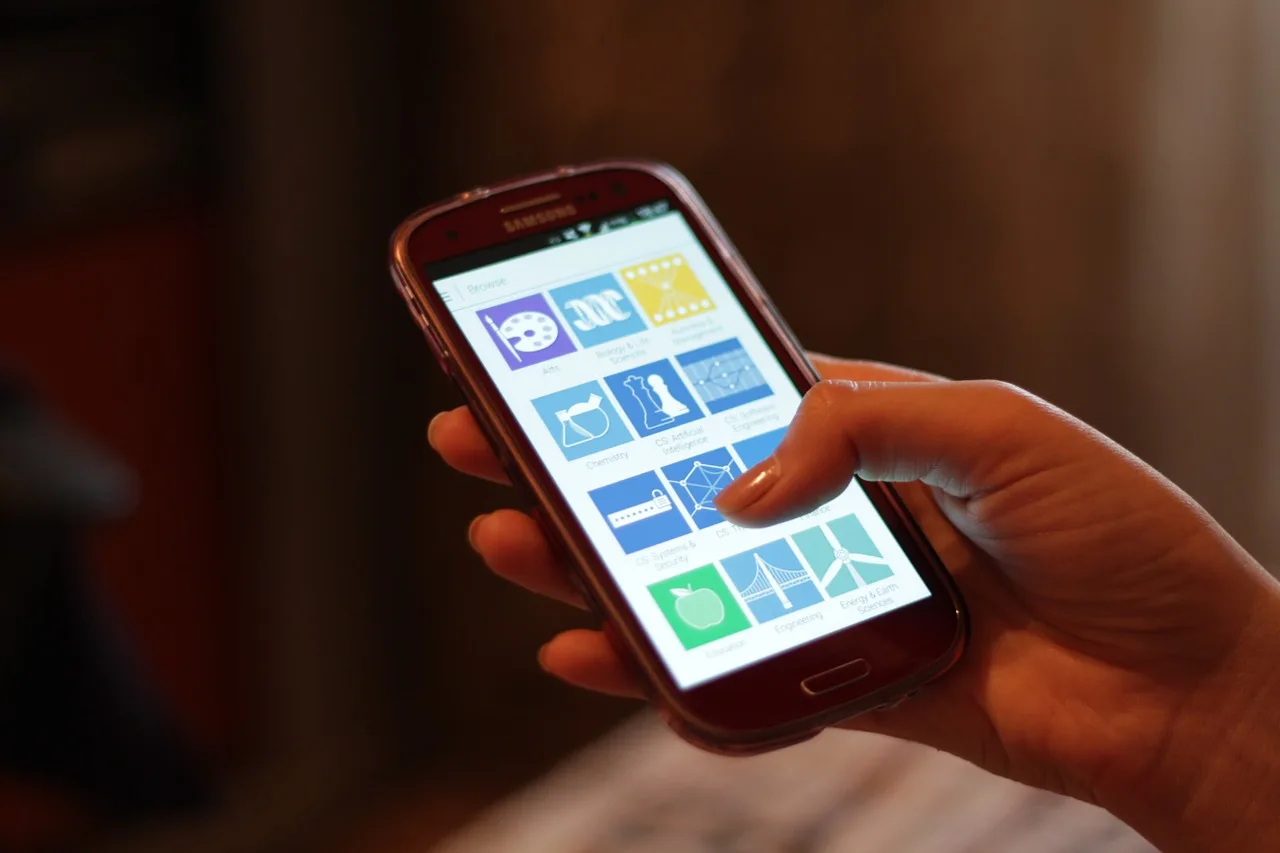
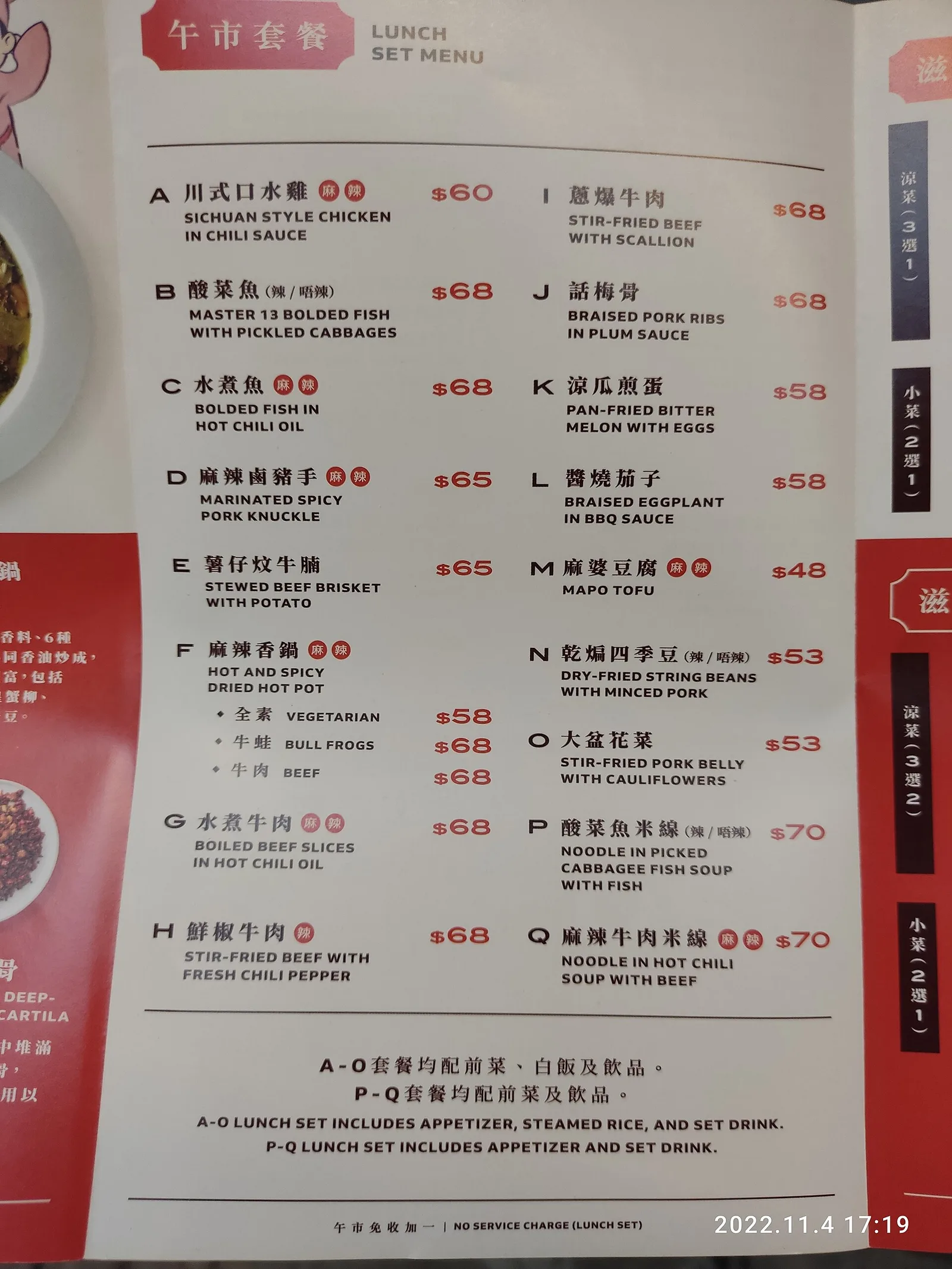
Download a translation app with offline Chinese before you travel. Google Translate, Apple Translate, and Baidu Translate all work to varying degrees; test one at home. For menus, use the camera translation feature, but verify ingredients with staff if you have allergies.
When communicating, keep sentences short and show the screen. Do not shout English or repeat the same sentence louder. Patience and a smile go further than perfect grammar. If a conversation becomes complicated, ask the hotel front desk to help by phone.
- Use camera translation for menus
- Show Chinese addresses, not English names
- Ask hotel staff for help with complex requests
Handling specific situations
At restaurants, the hardest part is usually not the menu but the questions: spice level, allergens, and whether a dish contains pork or beef. Learn to show a written card in Chinese that states your allergy or dietary limit, and ask staff to confirm rather than relying on a camera translation of an ingredient list. Bù là means not spicy, but in Chengdu it often still brings mild heat; wēi là is a more realistic request if you want some flavor without pain. Pointing at another table's dish is a legitimate ordering strategy.
At hotels, write your room number and the hotel's Chinese name on your phone; if you get lost, show the name to a taxi driver or a convenience store clerk. At pharmacies, bring the Chinese name of the medicine or a photo of the box rather than describing symptoms in English. Sichuan dialect changes pronunciation and vocabulary, so even fluent Mandarin speakers may need a moment; keep sentences short and use the translation screen rather than repeating yourself louder.
- Carry an allergy or dietary card in Chinese
- Ask staff to confirm ingredients, not just the app
- Show the hotel name in Chinese if you are lost
Best for
- Independent travelers who want to communicate basic needs
- Anyone eating at local restaurants and taking taxis
Honest notes
- English is not widely spoken outside hotels.
- Machine translation can miss allergy details.
- Sichuan dialect can differ from standard Mandarin.
Not for
- Travelers expecting English-language service everywhere
- Anyone unwilling to use a translation app
Keep planning