Chengdu is a safe city for visitors by international standards. Violent crime against tourists is rare, and walking around central areas at night is usually fine. The bigger risks are petty scams, traffic, and overpaying for services. Most problems can be avoided by using official taxis and apps, refusing unsolicited invitations, and keeping your belongings secure in crowds.
Common tourist scams
The classic tea-house scam involves a friendly stranger, often a young woman, inviting you to a traditional tea ceremony or bar. You accept, and the bill arrives at an absurd amount, sometimes with security pressure to pay. The fix is simple: decline unsolicited invitations from strangers, especially near tourist sites.
Other common setups include fake monks asking for donations and handing you a bracelet or charm, overpriced rickshaws or unlicensed taxis, and bar scams where drinks are added to your bill. Use official taxis or DiDi, ignore unsolicited 'gifts,' and check prices before ordering.
- Tea-house and bar invitation scams
- Fake monks with donation requests
- Unlicensed taxis and overpriced rides
Traffic and street safety
Traffic is the most realistic daily hazard. Electric scooters are quiet and often ignore pedestrian signals. Look both ways, even on a green light, and do not assume a crossing is safe because someone else is walking. At night, wear something visible and avoid jaywalking on wide roads.
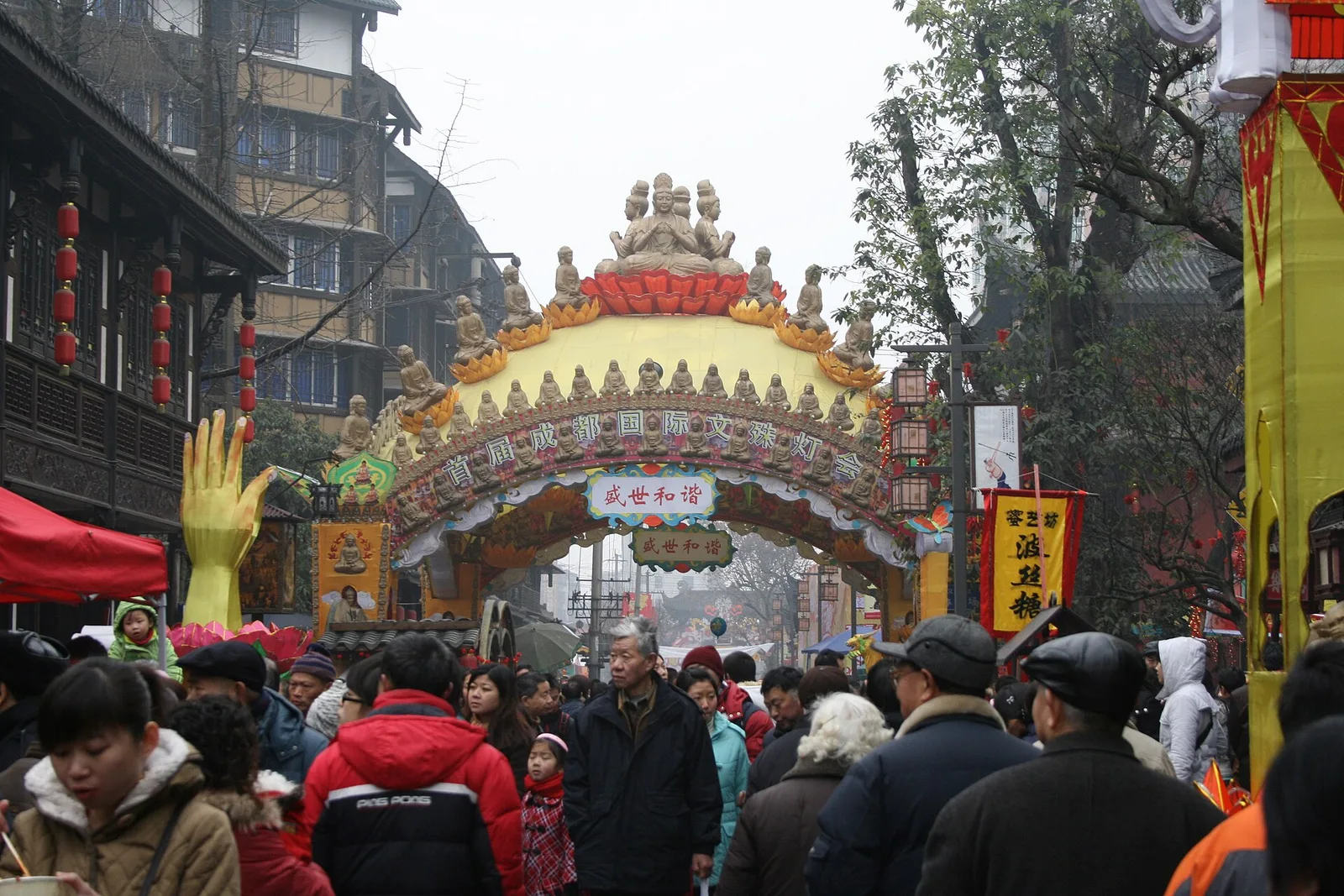
Pickpocketing is uncommon but possible in crowded markets, metro stations, and festivals. Keep your phone and wallet in front pockets or a zipped bag. Do not leave bags unattended in cafes or on chairs.
Emergency numbers and night safety
Emergency numbers: 110 for police, 120 for ambulance, 119 for fire. English-speaking operators may not be available; ask a hotel staff member or a local to help. For non-emergency police matters, go to the nearest station with your passport.
Central Chengdu is generally safe at night, but use DiDi rather than unlicensed taxis, avoid isolated areas, and keep an eye on your drink in bars. If you feel unsafe, go into a hotel lobby or convenience store and call your hotel.
- 110 police, 120 ambulance, 119 fire
- Use DiDi at night
- Keep bags zipped in crowds
Scenarios worth planning for
Most scams start with someone approaching you in English near a major sight. The tea-house invitation is the classic, but variations include an art student inviting you to a gallery, a friendly stranger suggesting a bar, and a monk offering a bracelet. The common thread is unsolicited friendliness followed by a bill. Decline, keep walking, and do not feel rude; a genuine local interaction rarely begins with a sales pitch in flawless English.
Plan for losing things, too. A police report is required for a lost passport or for insurance claims, and the nearest station can help; bring a photo of your passport and entry stamp. Keep a digital copy in your email and a paper copy in your bag. If you need medical help, international clinics in central Chengdu are used to foreign patients, but they are expensive; travel insurance with direct billing saves a lot of friction. For minor issues, pharmacies are plentiful and staff can advise on common remedies.
- A police report is needed for a lost passport
- Keep digital and paper copies of your ID
- International clinics are convenient but costly
Best for
- All visitors, especially first-timers
- Solo travelers and night owls
Honest notes
- Scams are more common near major tourist sites.
- English-speaking emergency operators are not guaranteed.
- Traffic rules are loosely followed by scooters.
Not for
- Travelers on a fully guided trip with private transport
- Anyone staying only inside a resort
Keep planning