Tea is part of daily life in Chengdu, and jasmine tea is the local default. Buying tea to take home is straightforward, but the range of quality and price is wide. A teahouse sells an experience, a dedicated tea shop sells leaves, and a supermarket sells reliable packaged basics. The best value for most visitors sits in a plain tea shop where you can taste before buying. Tourist-area gift shops charge for packaging and convenience. Learn a little about grades, ask to taste, and buy a small amount before committing to a larger tin.
Teahouse or tea shop
A Chengdu teahouse is for drinking, not for serious shopping. You pay per cup, usually CNY 20 to 60, and can sit for hours. Some teahouses sell the tea they serve, but the price is often marked up for visitors and the staff may not know much about grade or origin. Use a teahouse to learn what you like, then buy elsewhere. The teahouse culture guide explains the setting and etiquette. A dedicated tea shop will let you compare several teas side by side, which is far more useful than a gift box with a story.
Tea shops range from wholesale stalls to polished boutiques. Wholesale markets and neighborhood shops usually offer better value than shops beside major tourist sights. Supermarkets carry sealed, labeled brands with clear weights and dates, which is a safe choice for a basic gift. Boutiques can be excellent if you want guidance, but expect higher prices. Wherever you buy, ask for the price per 500 grams rather than per package, since gift boxes often contain only 100 or 200 grams.
Jasmine, green tea and grades
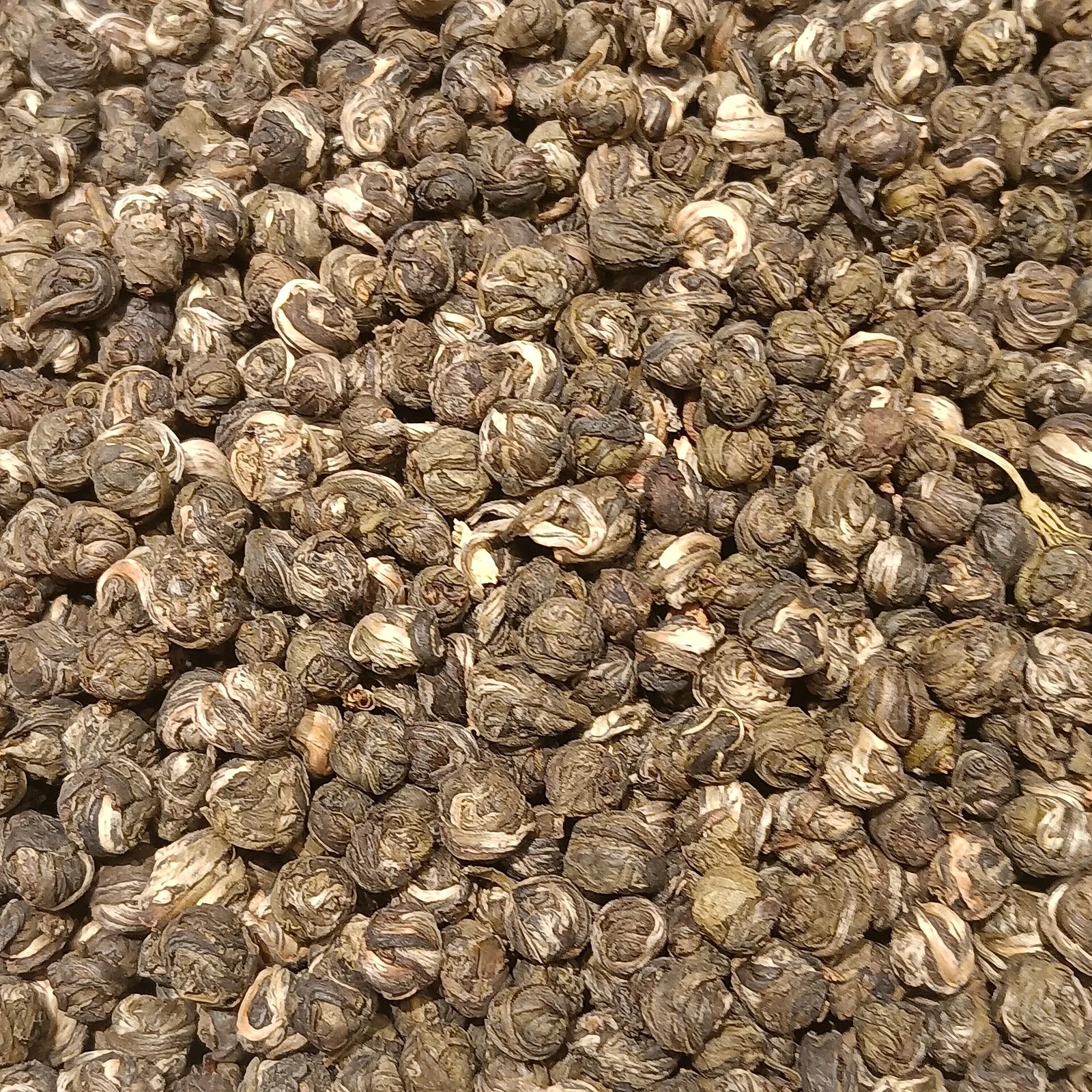
Jasmine tea (molihua cha) is green tea scented with jasmine blossoms. Good jasmine is scented in several rounds, and the tea should smell fresh and floral rather than like perfume. Bitan Piaoxue, a Sichuan style with visible petals, is a popular local choice. Green teas include Zhuyeqing from Emei, a flat bud tea, and Mengding Ganlu from the Ya'an area, both worth trying. Prices depend on leaf grade, picking date, origin, and how many times the jasmine tea was scented. Early spring buds and more scenting rounds cost more.
Grades are not standardized across shops, so labels such as premium or top grade mean little on their own. Judge the dry leaf: whole buds and tender leaves are better than broken pieces and dust. Smell the tea before buying; it should be clean and natural, not sharply perfumed. Ask when it was picked and how it has been stored. For everyday drinking, a mid-priced jasmine or green tea is often better value than an expensive gift pack. For a gift, a simple tin of a tea you have tasted is more convincing than a fancy box.
Tasting and negotiating price
Most tea shops will let you taste before buying. Ask keyi shihe ma (可以试喝吗), which means can I taste it. Watch how the leaves look in the cup, smell the aroma, and notice whether the tea turns bitter quickly. A shop that refuses a taste or rushes you toward a gift box is not a good place to spend much. Buy 100 to 250 grams first, try it at home, and return for more if you like it. Prices for everyday jasmine often fall around CNY 80 to 200 per 500 grams, with better grades at CNY 300 to 800. Verify current prices; tourist shops can charge several times these figures.
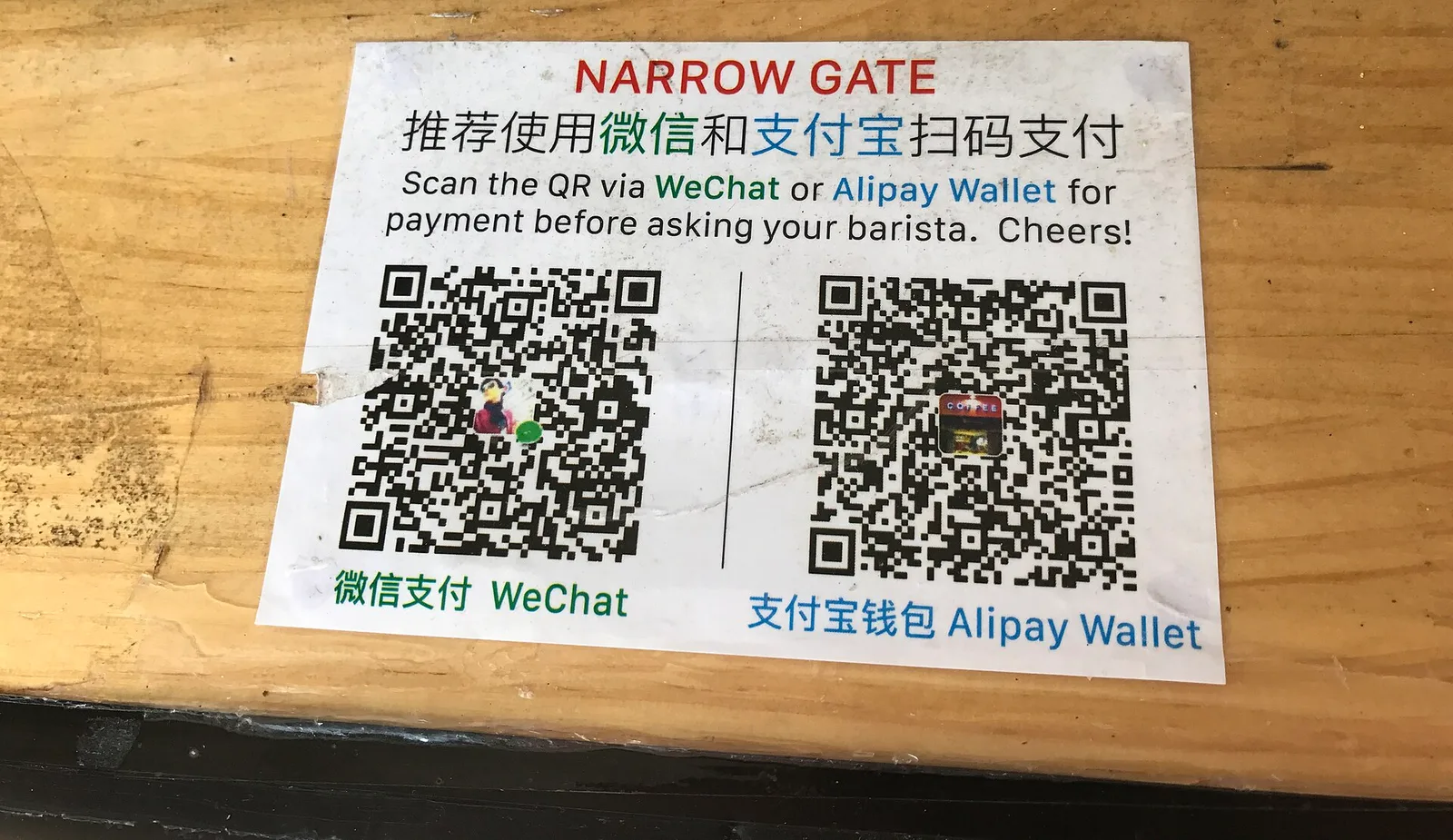
Negotiation is normal in markets, less so in fixed-price shops. Ask for the price per 500 grams and compare two or three stalls before deciding. Be wary of claims about ancient trees, rare harvests, or health benefits; these are common marketing lines and hard to verify. The classic tea-ceremony scam is a different problem, covered in the safety guide, but the principle is similar: unsolicited invitations and pressure to buy are warnings. Pay with mobile payment where possible, and keep cash for smaller shops; the payments guide explains the setup.
Packaging and taking tea home
Tea absorbs moisture and smells, so packaging matters. Ask the shop to vacuum-seal the leaves (chou zhenkong, 抽真空) and put them in a tin or a thick sealed bag. Keep tea away from spices, soap, and strong food in your luggage. Green tea is best kept cool and dry; a sealed bag in the refrigerator at home helps, but let it come to room temperature before opening to avoid condensation. Jasmine tea is more forgiving but still suffers from humidity. Small packs are easier to keep fresh than one large bag.
Before you buy a large amount, check the customs rules for your home country. Many places restrict or regulate plant products, and rules change. Vacuum packing makes tea easier to transport but is not a guarantee of entry. Declare tea if you are unsure, and keep receipts. Carry it in your checked luggage if weight allows, and double-bag it in case a tin opens. If you are buying gifts, choose sealed tins with a production date and a clear weight. A modest amount of good tea you have tasted is a better souvenir than a large box you cannot verify.
Best for
- Tea drinkers who want a local souvenir
- Visitors willing to taste and compare before buying
Honest notes
- Grade labels vary between shops and mean little alone.
- Tourist-area tea can cost several times the market price.
- Check your country's customs rules before bringing tea home.
Not for
- Travelers who want a quick gift without tasting
- Anyone with strict luggage weight limits
Keep planning