Chengdu is a wet city, and rain is often a fine drizzle that lasts for hours rather than a dramatic storm. The damp can make a mild day feel cold, and wet pavements make some outdoor sights miserable. The good news is that central Chengdu has plenty of indoor options: museums, teahouses, malls, opera theatres, and food halls. A rainy day rarely ruins a trip, but it does reward a flexible plan. Check the hourly forecast in the morning, keep one indoor backup ready, and save the mountains and long walks for a drier day.
What Chengdu rain is like
Rain in Chengdu is usually light and steady, often falling overnight or in long spells rather than short downpours. Summer brings heavier showers and thunderstorms, especially in July and August, while autumn and winter rain tends to be cold drizzle. Humidity is the bigger discomfort: 10°C with damp air can feel much colder than the number suggests, and indoor heating is often modest. Weather apps show a high chance of rain for days at a time, but the actual amount can be small. Look at the hourly radar rather than cancelling a whole day because of a rain icon.
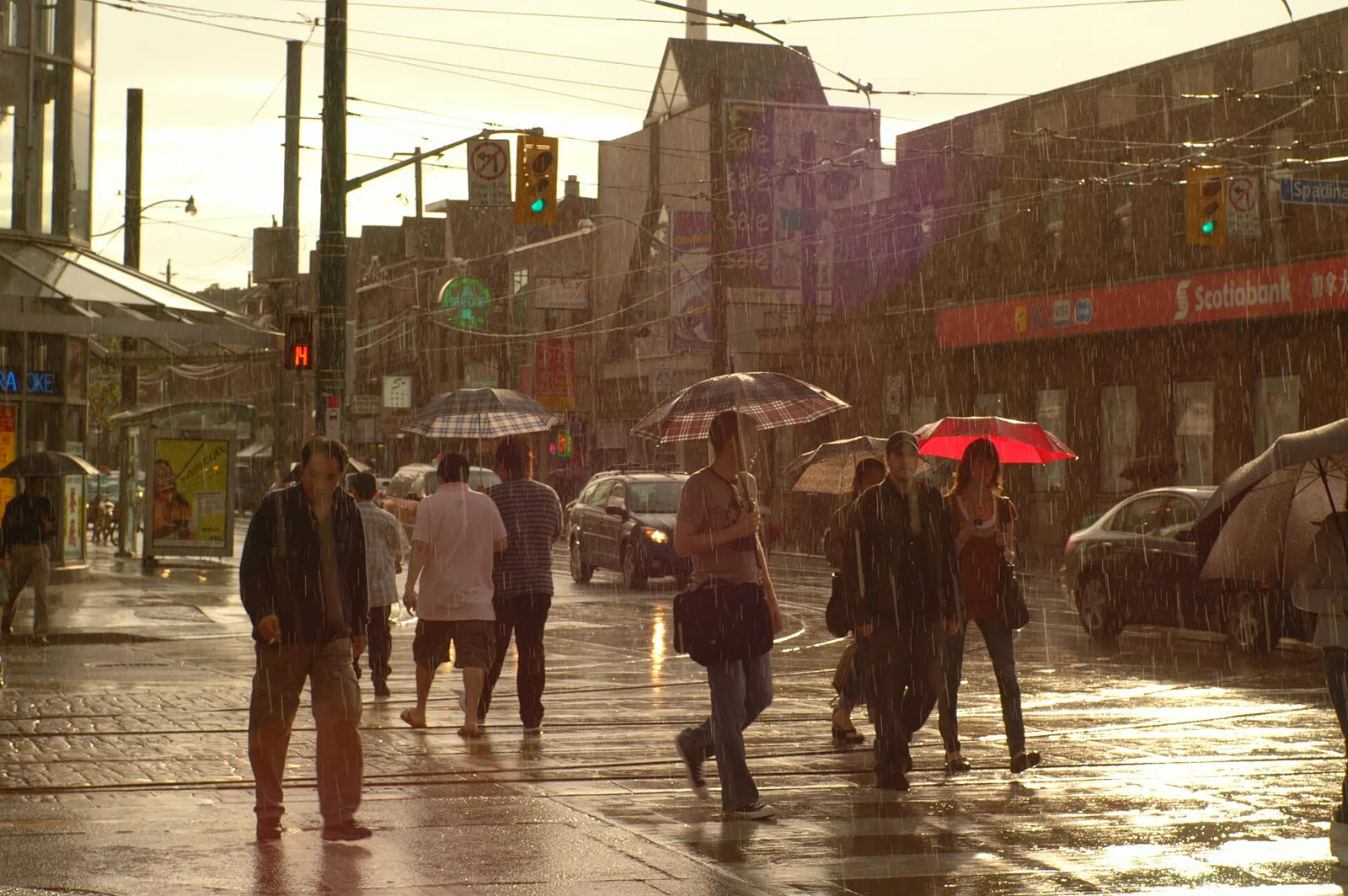
Local life continues in light rain. People carry umbrellas, ride scooters under ponchos, and eat hotpot regardless. You can do the same with the right gear, but some sights are genuinely better postponed. The distinction that matters is between drizzle, which is manageable with an umbrella and waterproof shoes, and steady rain, which turns temple courtyards, mountain trails, and open-air streets into slippery detours.
Indoor options that work
Museums are the most reliable rainy-day anchor. Sichuan Museum and Chengdu Museum are large, central, and free with a reservation, though many museums close on Mondays, so check the day before you go. Teahouses are another good fallback: an afternoon in a covered teahouse is a genuine Chengdu experience rather than a consolation prize. The teahouse culture guide explains what to order and how long you can stay. Malls around Chunxi Road and IFS offer food, cinemas, and shopping without stepping outside for hours.
Sichuan opera is an evening option that suits wet weather, with indoor theatres and short, colorful shows designed for visitors. Book ahead on rainy weekends, since indoor seats are more popular when the weather is bad. The Sichuan opera guide covers ticket tiers and what to expect. Cooking classes, bookstores, and food markets with covered stalls are other ways to spend a wet afternoon. A long lunch or a hotpot dinner can fill time without feeling like you are hiding from the weather.
What to skip or postpone
The Panda Base is the big question. Pandas are outdoors in light drizzle and are often more active in cool weather, but the viewing paths are exposed and become slippery. In heavy rain, the experience is rushed and photographs are poor. If pandas are a priority, go early on the least wet day rather than forcing it. Mountain day trips to Qingcheng or Leshan are better postponed: trails, stairs, and river boats are all less pleasant in rain, and visibility can disappear.
Open-air streets such as Jinli and Kuanzhai Alley are still walkable in drizzle, but they are crowded, slippery, and less enjoyable when you are holding an umbrella. Bike shares, river cruises, and long park walks are also worth swapping for indoor plans. Wuhou Shrine and Du Fu Cottage have covered halls, but their courtyards and gardens are exposed, so treat them as short stops rather than all-day plans. If you have only one day in the city, choose one indoor anchor and one short outdoor walk rather than a packed schedule.
Shoes, umbrellas and transit
Waterproof shoes with grip are the single most useful item. Canvas sneakers soak through in minutes and take a day to dry in humid hotel rooms. Bring a second pair if you have space, or plan to dry shoes near a bathroom fan overnight. A compact umbrella is enough for most days; street vendors sell them for CNY 20 to 40, but they break easily in wind, so verify the current price and quality before buying. A light rain jacket is better for scooter splash and leaves your hands free. Keep a plastic bag or dry pouch for your phone and camera.
The metro is the best way to move in rain. Stations are dry, signs are bilingual, and trains are unaffected by traffic. The metro guide covers fares and payment. DiDi works too, but demand spikes in rain and cars sit in traffic, so allow an extra 20 to 30 minutes for any appointment. Taxis are hard to hail when it pours. Watch for slippery station floors and umbrella water, and carry your own tissue pack. If you are already wet, a hotpot dinner is a practical way to end the day.
Best for
- Travelers visiting in the wet months
- Anyone who wants a flexible indoor backup plan
Honest notes
- Drizzle can last all day without looking dramatic.
- Many museums close one day a week, often Monday.
- Temple courtyards and mountain trails get slippery.
Not for
- Visitors with a fixed outdoor itinerary and no spare day
- Travelers who refuse to carry rain gear
Keep planning